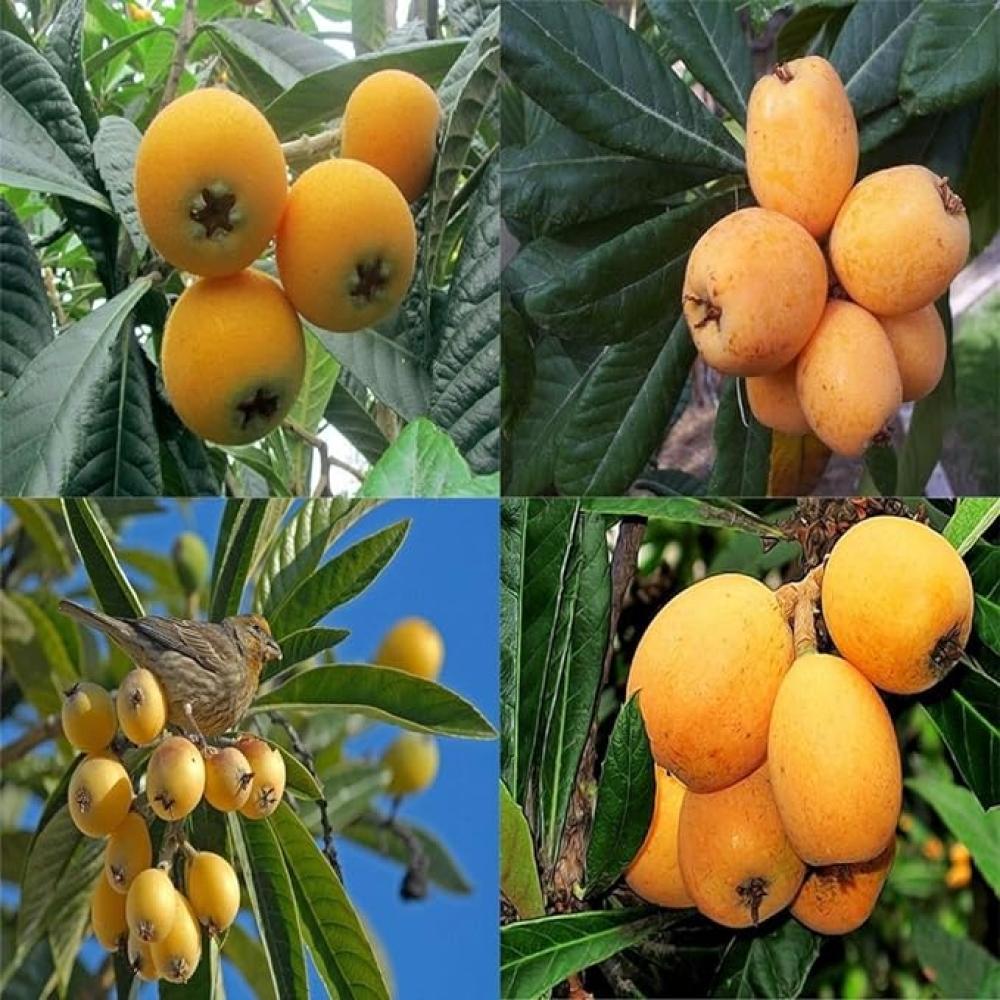
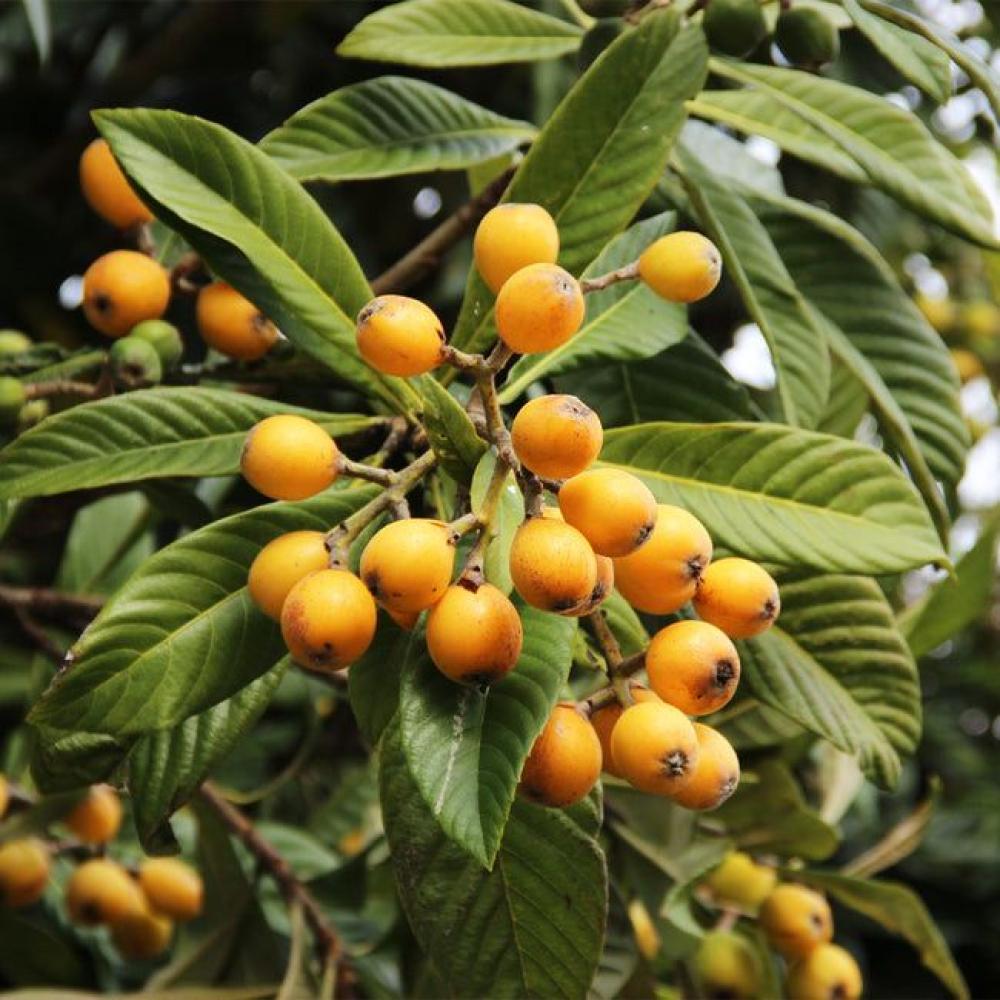
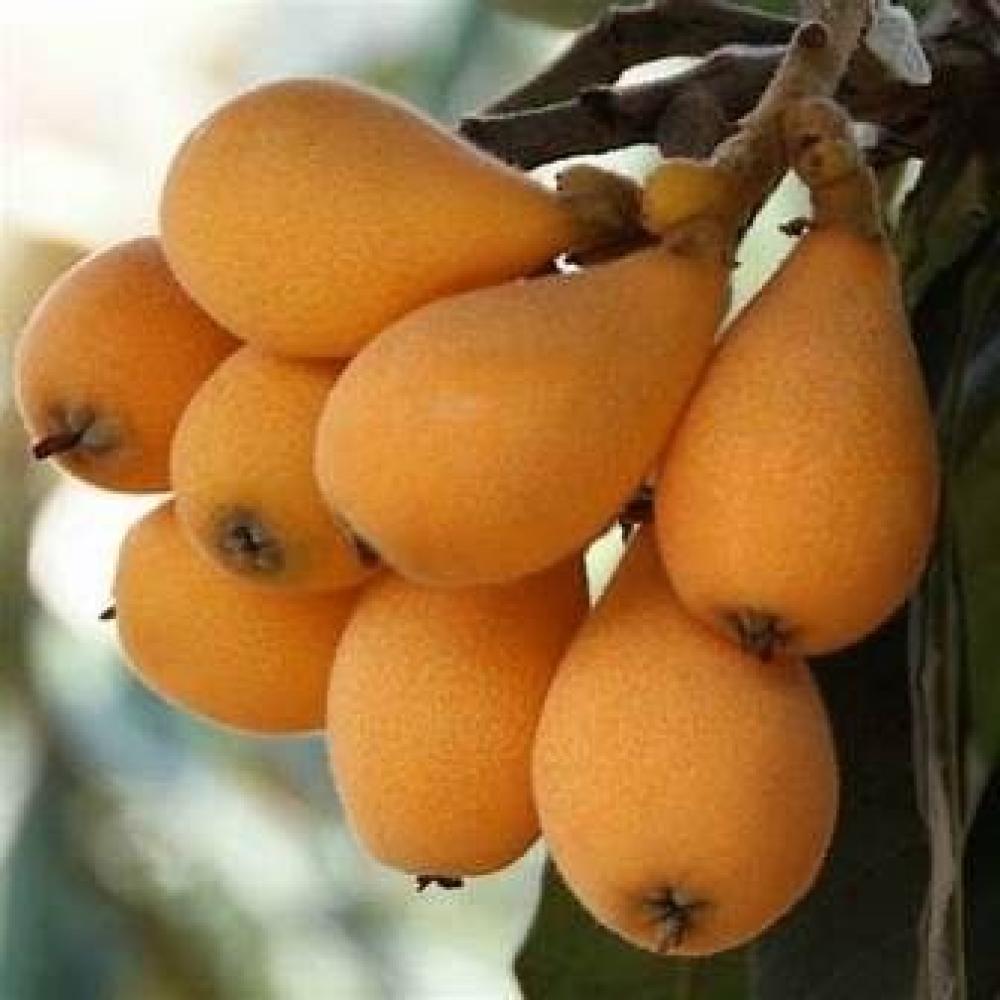
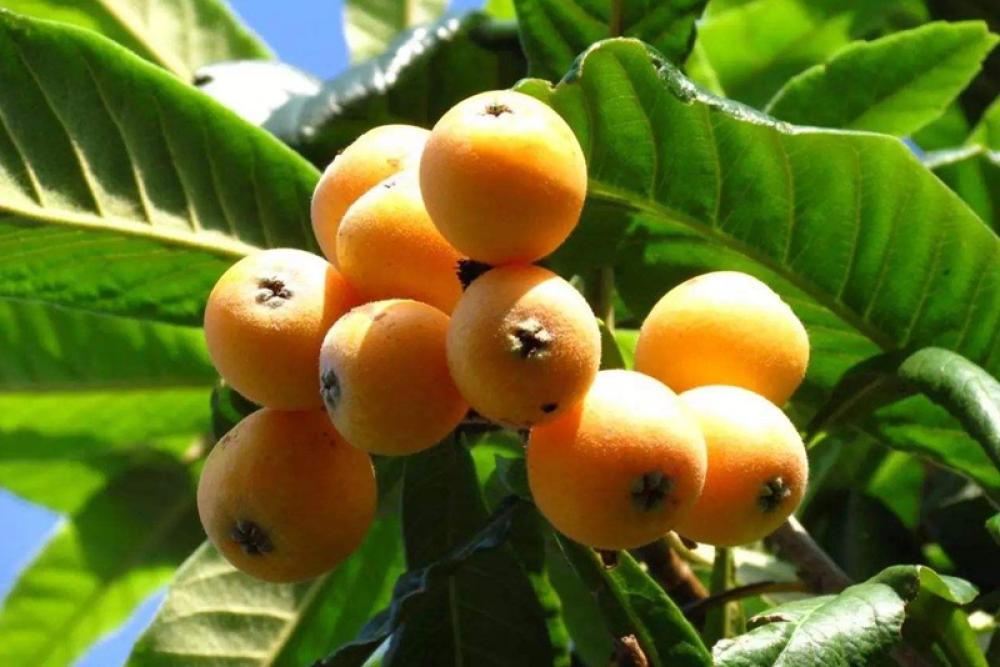
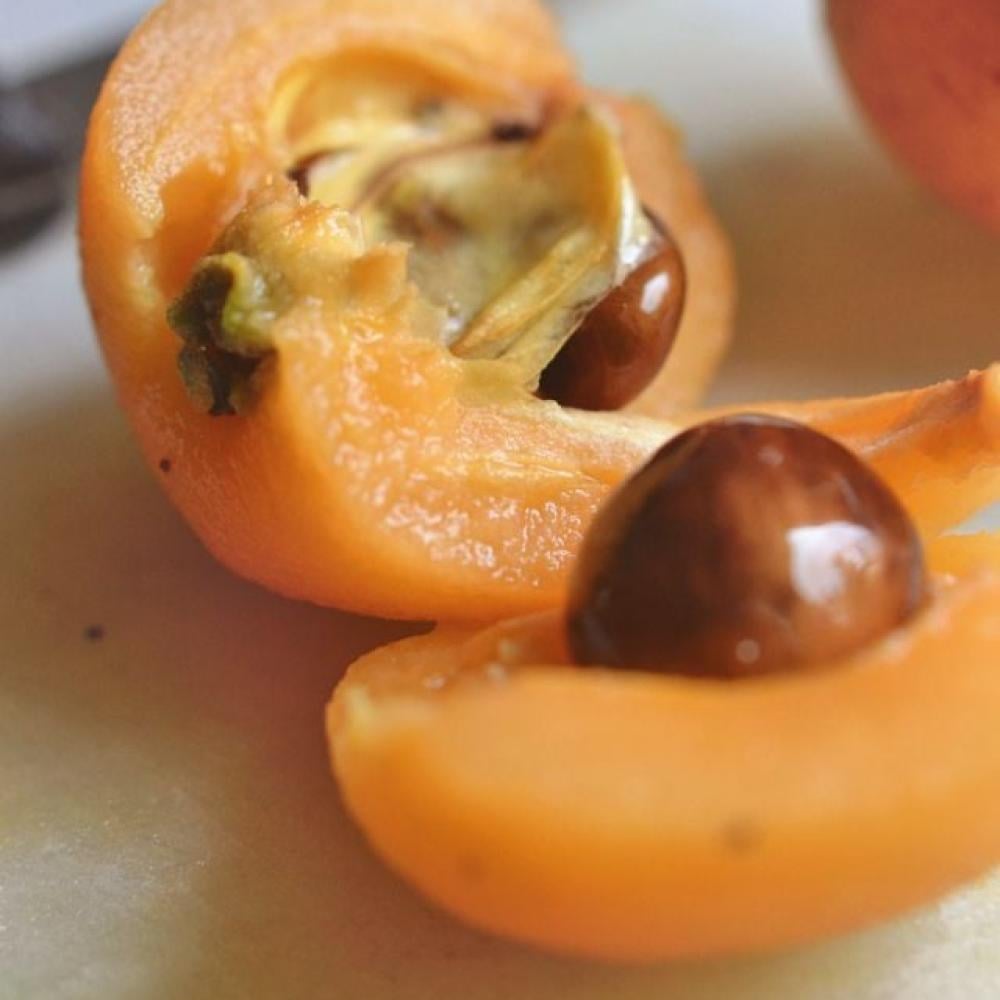
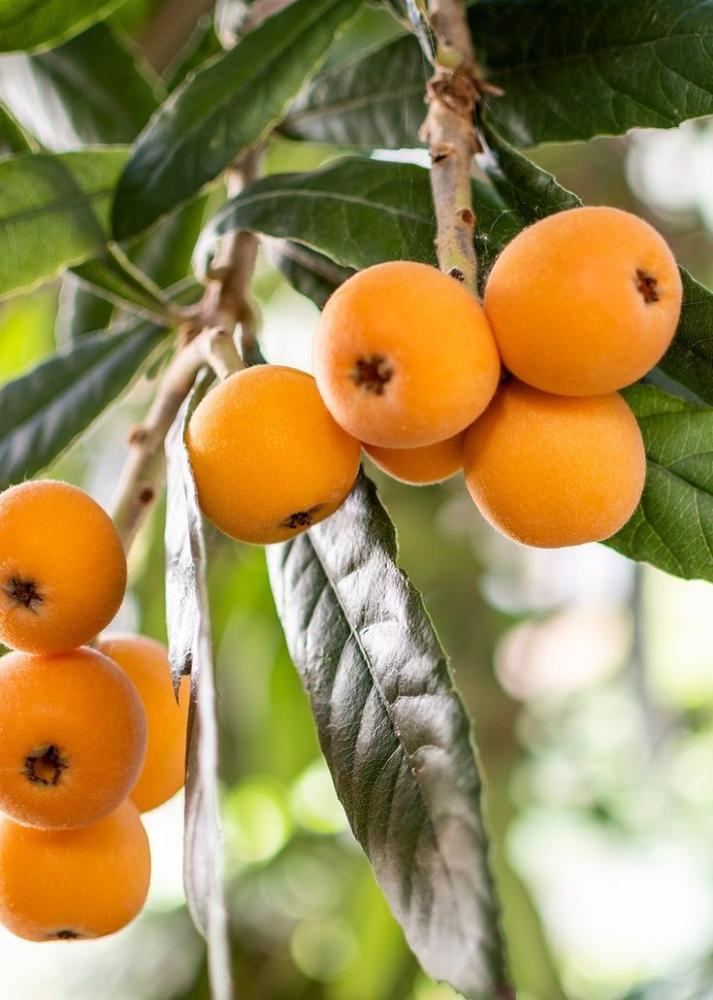
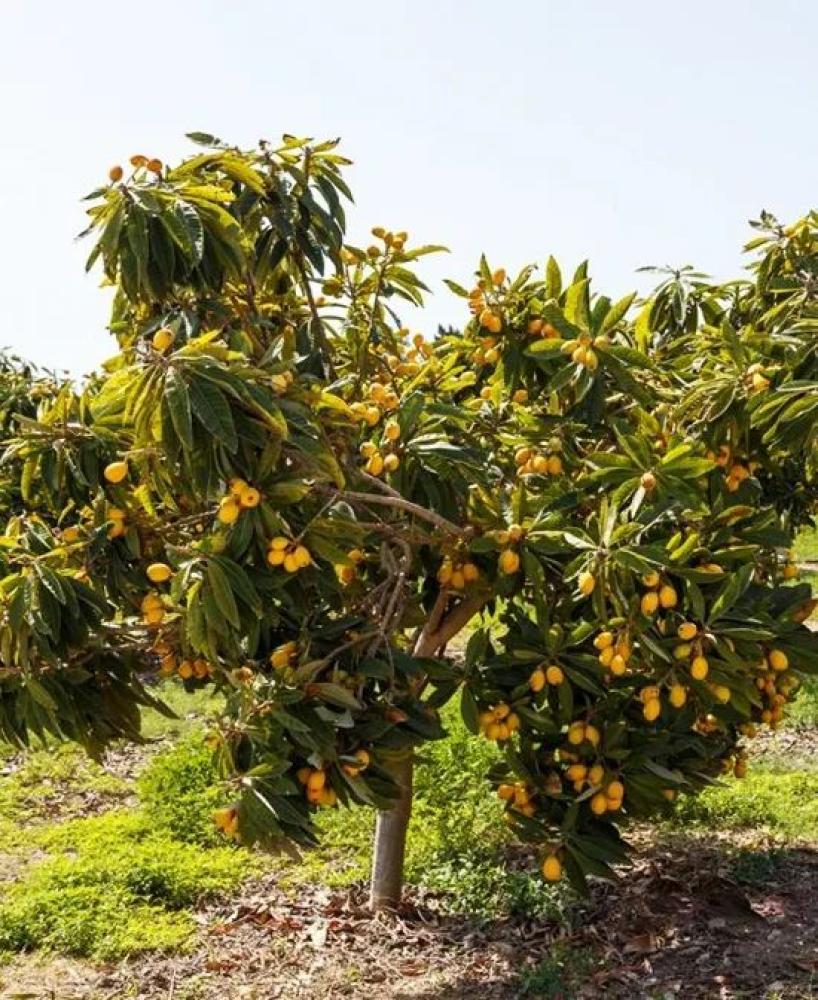
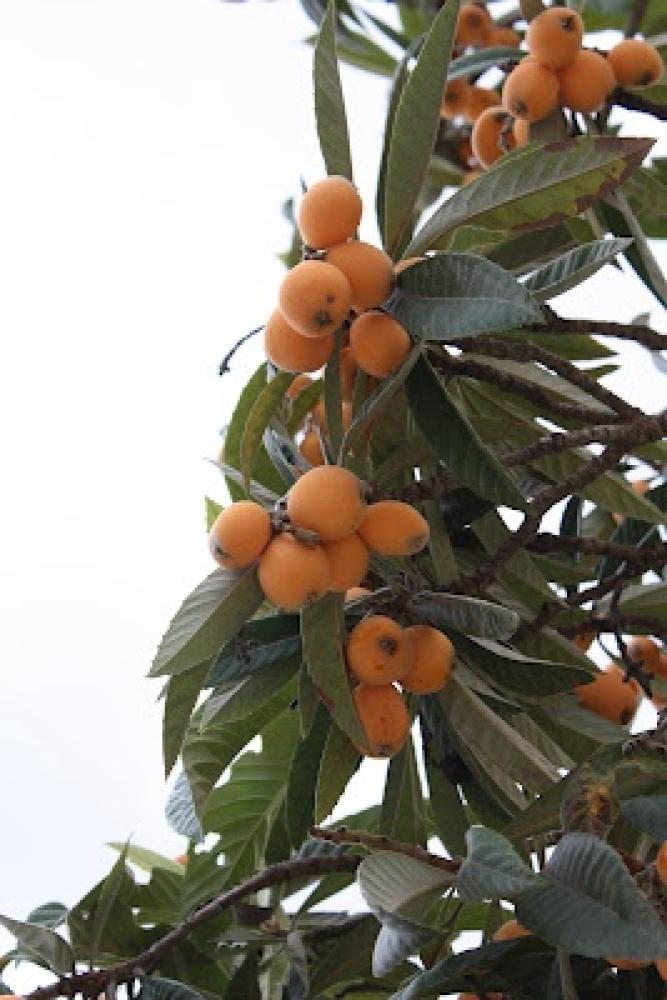
Eriobotrya description of the tree
Eriobotrya is a perennial evergreen medium-sized tree with a non-spreading growth pattern, belonging to the Rosaceae family. It blooms in autumn and its fruits ripen in spring when the winter fruits are nearly finished and the summer fruits have not yet ripened, making its cultivation profitable and high-yielding, in addition to low maintenance costs.
The original habitat of Eriobotrya is China, and its cultivation has spread worldwide, including along the Mediterranean coasts.
Nutritional value
Eriobotrya contains many nutrients, minerals, and vitamins, including antioxidants, folic acid, sugar, water, salts, citric acid, and vitamins such as vitamin A, B, and D, along with other minerals like iron, zinc, magnesium, phosphorus, and copper, in addition to calcium, fibers, and proteins.
Methods and conditions of cultivation
Suitable climate
Eriobotrya trees require a moderate summer temperature, as high temperatures and intense sunlight in summer can cause sunburn on the fruits, leading to skin damage and flesh decay. Extremely low temperatures can also harm the tree by killing the floral buds before blooming or causing the death of open flowers, and may lead to the dropping of small fruits.
Suitable soil
Deep, fertile soils and loamy sandy soils are suitable for Eriobotrya cultivation. Saline soils are considered unsuitable, especially during the first years.
Water requirements
Eriobotrya trees tolerate drought relatively well, but high productivity and good fruit quality require regular watering throughout the year, especially in autumn and winter, which are the periods of flower formation, fruit setting, and development.
Propagation
Eriobotrya is propagated by seeds:
Eriobotrya seeds belong to the group of short-lived seeds that cannot be stored for long, so they should be planted as soon as possible after harvesting from mature fruits and before drying out.
Seedling production is as follows:
Nursery beds are prepared within a nursery, mixed with composted organic fertilizer or in plastic bags.
Seeds are sown in rows spaced apart, then covered with a layer of sand or soil, then irrigated heavily, followed by 1-2 weekly irrigations depending on climatic conditions.
Seedlings are kept in the nursery for 1-3 years and then transferred to the permanent location in March or April. After planting in the orchard, they can either be left ungrafted to produce trees of seed origin, which may not bear fruits similar to the mother tree, or be grafted.
Grafting
Propagation by grafting onto seedling rootstocks is done in spring or autumn. In case of autumn grafting, the graft eyes remain dormant until the following spring.
It is worth noting that Eriobotrya can be grafted onto seedling rootstocks of Eriobotrya itself, or onto quince, hawthorn, or pear rootstocks.
Pruning
Pruning of young trees aims to form a strong structure in the correct shape. Trees are trained on a trunk 50-90 cm tall using the cane system or the central leader system, ensuring the tree’s crown is open to air and sunlight.
Pruning of fruit trees involves removing tangled, dry, infected, or broken branches, and removing suckers around the canopy area, without disturbing the healthy branch tips, as Eriobotrya bears fruit on the tips of branches.
Read more
Description
Eriobotrya description of the tree
Eriobotrya is a perennial evergreen medium-sized tree with a non-spreading growth pattern, belonging to the Rosaceae family. It blooms in autumn and its fruits ripen in spring when the winter fruits are nearly finished and the summer fruits have not yet ripened, making its cultivation profitable and high-yielding, in addition to low maintenance costs.
The original habitat of Eriobotrya is China, and its cultivation has spread worldwide, including along the Mediterranean coasts.
Nutritional value
Eriobotrya contains many nutrients, minerals, and vitamins, including antioxidants, folic acid, sugar, water, salts, citric acid, and vitamins such as vitamin A, B, and D, along with other minerals like iron, zinc, magnesium, phosphorus, and copper, in addition to calcium, fibers, and proteins.
Methods and conditions of cultivation
Suitable climate
Eriobotrya trees require a moderate summer temperature, as high temperatures and intense sunlight in summer can cause sunburn on the fruits, leading to skin damage and flesh decay. Extremely low temperatures can also harm the tree by killing the floral buds before blooming or causing the death of open flowers, and may lead to the dropping of small fruits.
Suitable soil
Deep, fertile soils and loamy sandy soils are suitable for Eriobotrya cultivation. Saline soils are considered unsuitable, especially during the first years.
Water requirements
Eriobotrya trees tolerate drought relatively well, but high productivity and good fruit quality require regular watering throughout the year, especially in autumn and winter, which are the periods of flower formation, fruit setting, and development.
Propagation
Eriobotrya is propagated by seeds:
Eriobotrya seeds belong to the group of short-lived seeds that cannot be stored for long, so they should be planted as soon as possible after harvesting from mature fruits and before drying out.
Seedling production is as follows:
Nursery beds are prepared within a nursery, mixed with composted organic fertilizer or in plastic bags.
Seeds are sown in rows spaced apart, then covered with a layer of sand or soil, then irrigated heavily, followed by 1-2 weekly irrigations depending on climatic conditions.
Seedlings are kept in the nursery for 1-3 years and then transferred to the permanent location in March or April. After planting in the orchard, they can either be left ungrafted to produce trees of seed origin, which may not bear fruits similar to the mother tree, or be grafted.
Grafting
Propagation by grafting onto seedling rootstocks is done in spring or autumn. In case of autumn grafting, the graft eyes remain dormant until the following spring.
It is worth noting that Eriobotrya can be grafted onto seedling rootstocks of Eriobotrya itself, or onto quince, hawthorn, or pear rootstocks.
Pruning
Pruning of young trees aims to form a strong structure in the correct shape. Trees are trained on a trunk 50-90 cm tall using the cane system or the central leader system, ensuring the tree’s crown is open to air and sunlight.
Pruning of fruit trees involves removing tangled, dry, infected, or broken branches, and removing suckers around the canopy area, without disturbing the healthy branch tips, as Eriobotrya bears fruit on the tips of branches.
Read more