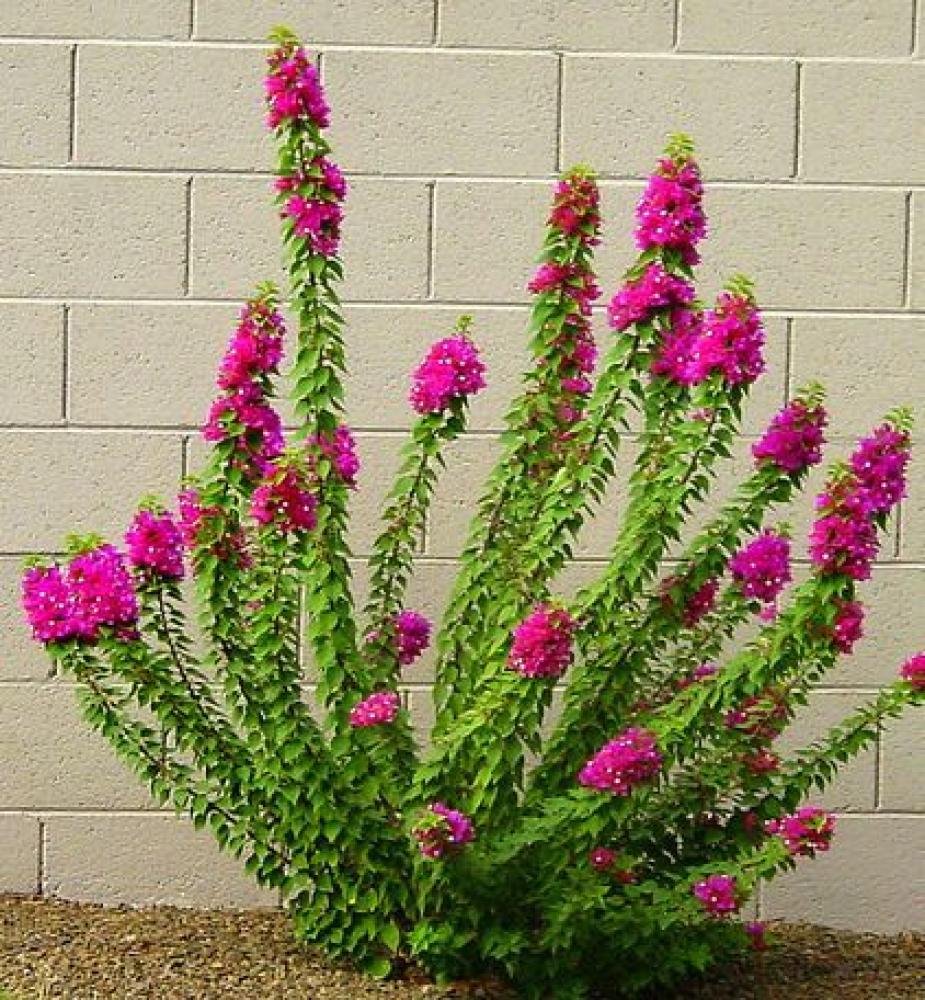
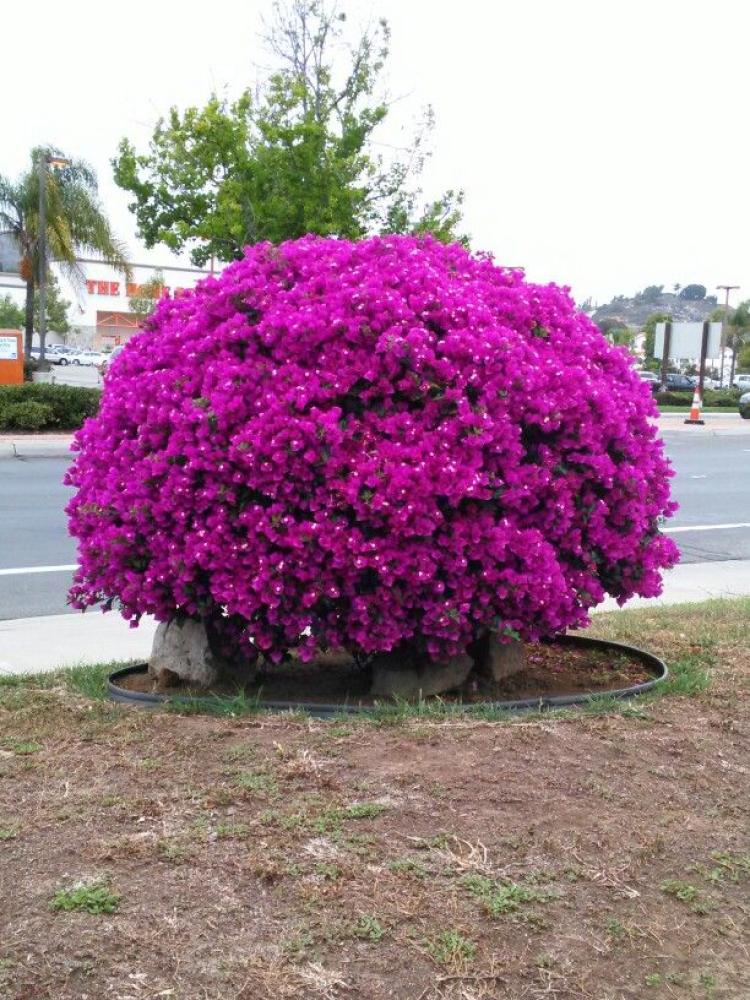
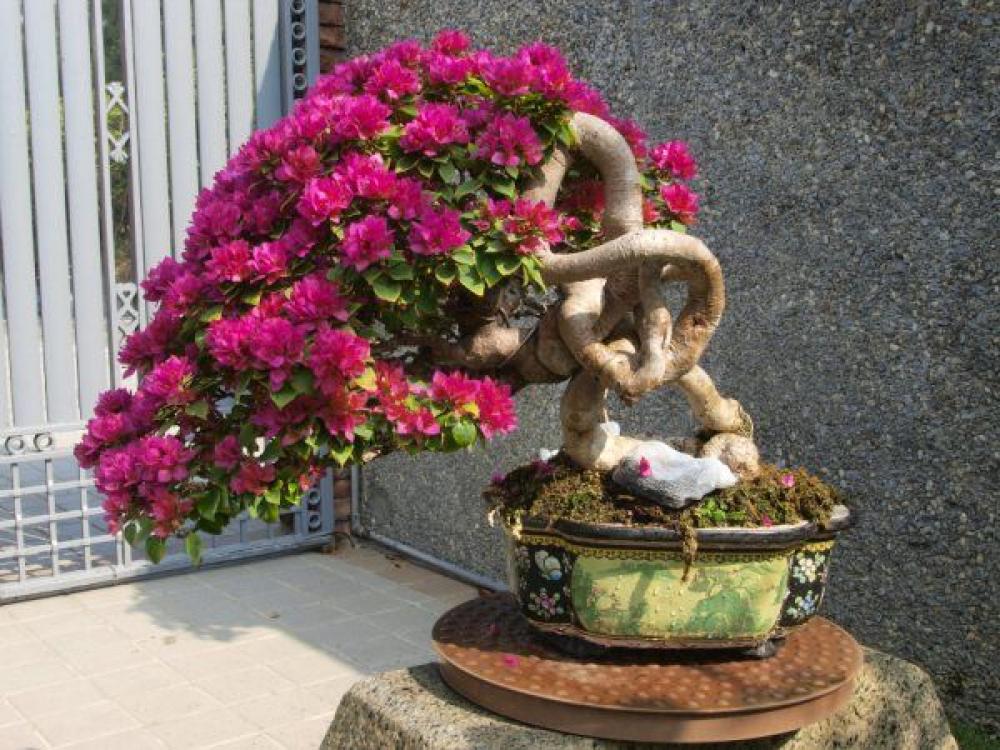
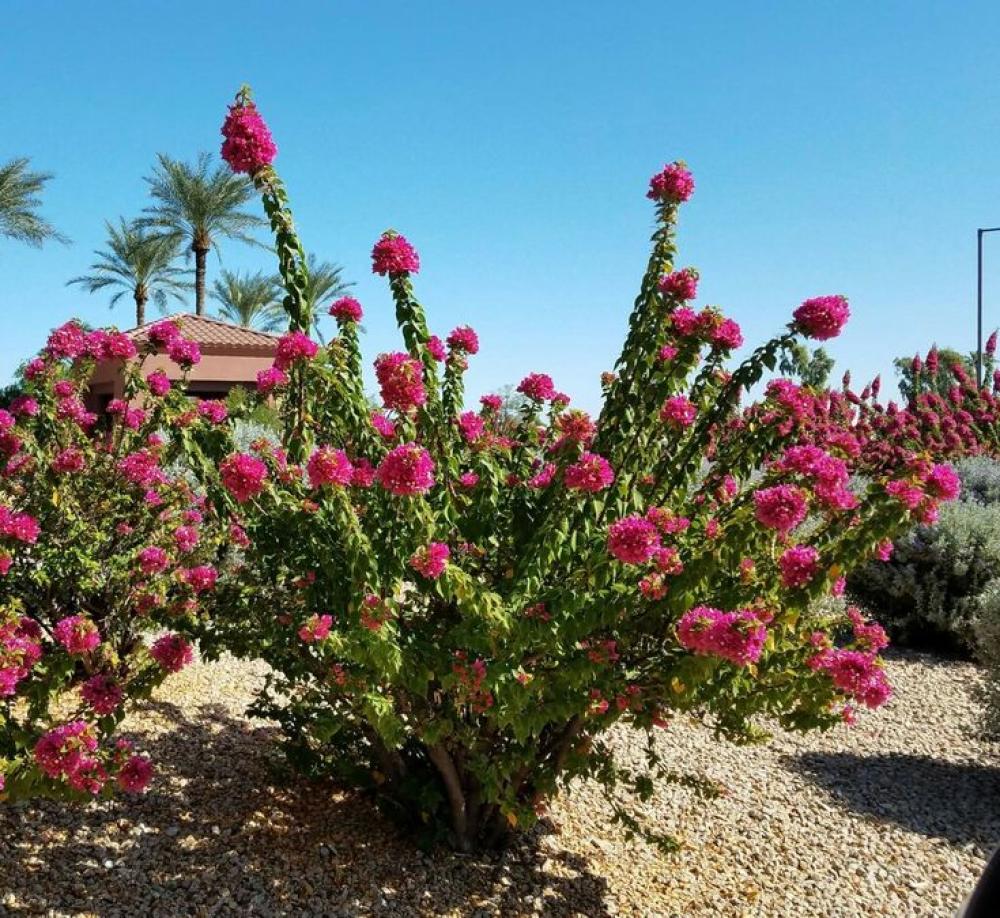
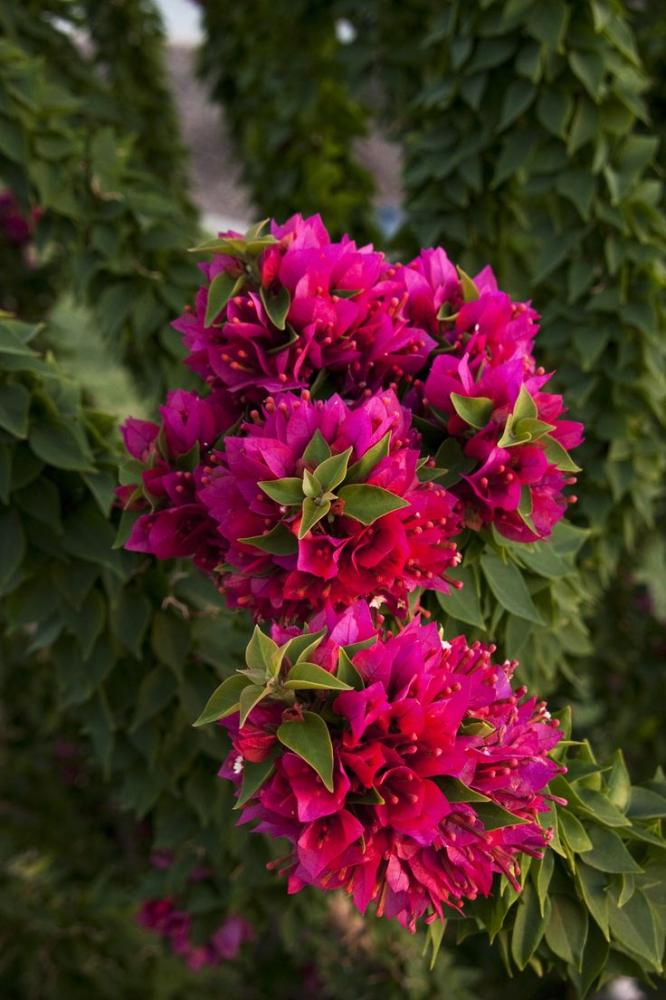
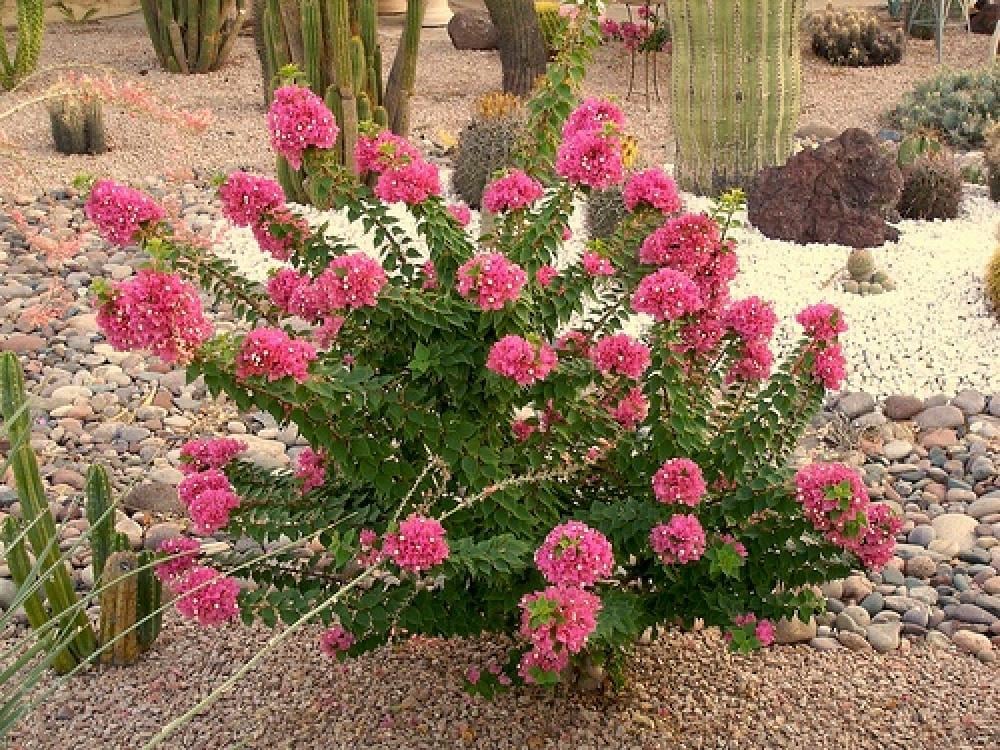
Everything you need to know about caring for dwarf bougainvillea. The dwarf bougainvillea plant (Dwarf Bougainvillea) is characterized as a miniature version of the traditional bougainvillea and grows in small sizes as shrubs, making it suitable for small spaces. The bougainvillea plant is known to grow quickly with sharp thorns on its stems. This plant is also highly drought-tolerant. There is no doubt that this dwarf bougainvillea produces flowers similarly to the large bougainvillea, including purple, pink, pinkish, creamy yellow, and dark pink flowers. The types of this plant are many and vary in flower color. Everything you need to know about caring for dwarf bougainvillea. The dwarf bougainvillea requires some care steps to achieve the best appearance when planted in large pots. Below are the most important ways to care for dwarf bougainvillea.
Lighting
The dwarf bougainvillea should be placed in a location exposed to sunlight for at least 6 hours daily to produce dense flowers with strong, attractive colors. The dwarf bougainvillea is affected by very high temperatures, especially in tropical areas, making it necessary to plant it near a surrounding wall of the house to get some shade.
Temperatures
Bougainvillea plants prefer to grow in moderate temperature areas away from low temperatures and frost. Although bougainvillea can tolerate frost down to 2°C, it cannot withstand prolonged cold. Newly planted dwarf bougainvillea is often affected by cold temperatures, causing its leaves to fall at the beginning of spring to allow new leaves to grow.
Watering
Dwarf bougainvillea can tolerate long periods of drought and requires abundant watering every 3-4 weeks. This method is better for the plant than watering with small amounts daily. It is preferable not to flood the soil around the plant with large amounts of water after planting and during the first two years to avoid root rot, which affects young plants more. Excessive watering can cause the plant to grow many leaves on its stems and produce fewer flowers.
Fertilizer
It is preferable to fertilize the dwarf bougainvillea once a year, and it can be fertilized once every two years. The appropriate period for fertilization is at the end of winter and the beginning of spring. Suitable fertilizer for date palms and hibiscus can be used to fertilize the dwarf. If the plant doesn’t bloom much, it can be fertilized twice a year, avoiding over-fertilization, and following the instructions on the fertilizer bag for the best results.
Pruning
The bougainvillea can be pruned throughout the year. It is preferred to prune the plant at the end of winter before the new growth cycle begins. To prune properly, all branches should be cut to a length of 6 meters or less, depending on preference, to prepare the plant for new flowering. The tips of the branches that have started to grow and open should be cut to obtain a denser plant and more abundant flowers.
Training the plant
The bougainvillea can be trained by fixing some short wooden stakes beside the stem and tying the spreading branches to these stakes to organize their shape. If a larger growth is desired, the plant can be trained to grow on a trellis or designed structure to grow attractively. The dwarf bougainvillea needs a large pot because its roots grow densely and begin to tangle over time. The pot must have drainage holes at the bottom.
Read more
Purchased
28 times
Description
Everything you need to know about caring for dwarf bougainvillea. The dwarf bougainvillea plant (Dwarf Bougainvillea) is characterized as a miniature version of the traditional bougainvillea and grows in small sizes as shrubs, making it suitable for small spaces. The bougainvillea plant is known to grow quickly with sharp thorns on its stems. This plant is also highly drought-tolerant. There is no doubt that this dwarf bougainvillea produces flowers similarly to the large bougainvillea, including purple, pink, pinkish, creamy yellow, and dark pink flowers. The types of this plant are many and vary in flower color. Everything you need to know about caring for dwarf bougainvillea. The dwarf bougainvillea requires some care steps to achieve the best appearance when planted in large pots. Below are the most important ways to care for dwarf bougainvillea.
Lighting
The dwarf bougainvillea should be placed in a location exposed to sunlight for at least 6 hours daily to produce dense flowers with strong, attractive colors. The dwarf bougainvillea is affected by very high temperatures, especially in tropical areas, making it necessary to plant it near a surrounding wall of the house to get some shade.
Temperatures
Bougainvillea plants prefer to grow in moderate temperature areas away from low temperatures and frost. Although bougainvillea can tolerate frost down to 2°C, it cannot withstand prolonged cold. Newly planted dwarf bougainvillea is often affected by cold temperatures, causing its leaves to fall at the beginning of spring to allow new leaves to grow.
Watering
Dwarf bougainvillea can tolerate long periods of drought and requires abundant watering every 3-4 weeks. This method is better for the plant than watering with small amounts daily. It is preferable not to flood the soil around the plant with large amounts of water after planting and during the first two years to avoid root rot, which affects young plants more. Excessive watering can cause the plant to grow many leaves on its stems and produce fewer flowers.
Fertilizer
It is preferable to fertilize the dwarf bougainvillea once a year, and it can be fertilized once every two years. The appropriate period for fertilization is at the end of winter and the beginning of spring. Suitable fertilizer for date palms and hibiscus can be used to fertilize the dwarf. If the plant doesn’t bloom much, it can be fertilized twice a year, avoiding over-fertilization, and following the instructions on the fertilizer bag for the best results.
Pruning
The bougainvillea can be pruned throughout the year. It is preferred to prune the plant at the end of winter before the new growth cycle begins. To prune properly, all branches should be cut to a length of 6 meters or less, depending on preference, to prepare the plant for new flowering. The tips of the branches that have started to grow and open should be cut to obtain a denser plant and more abundant flowers.
Training the plant
The bougainvillea can be trained by fixing some short wooden stakes beside the stem and tying the spreading branches to these stakes to organize their shape. If a larger growth is desired, the plant can be trained to grow on a trellis or designed structure to grow attractively. The dwarf bougainvillea needs a large pot because its roots grow densely and begin to tangle over time. The pot must have drainage holes at the bottom.
Read more