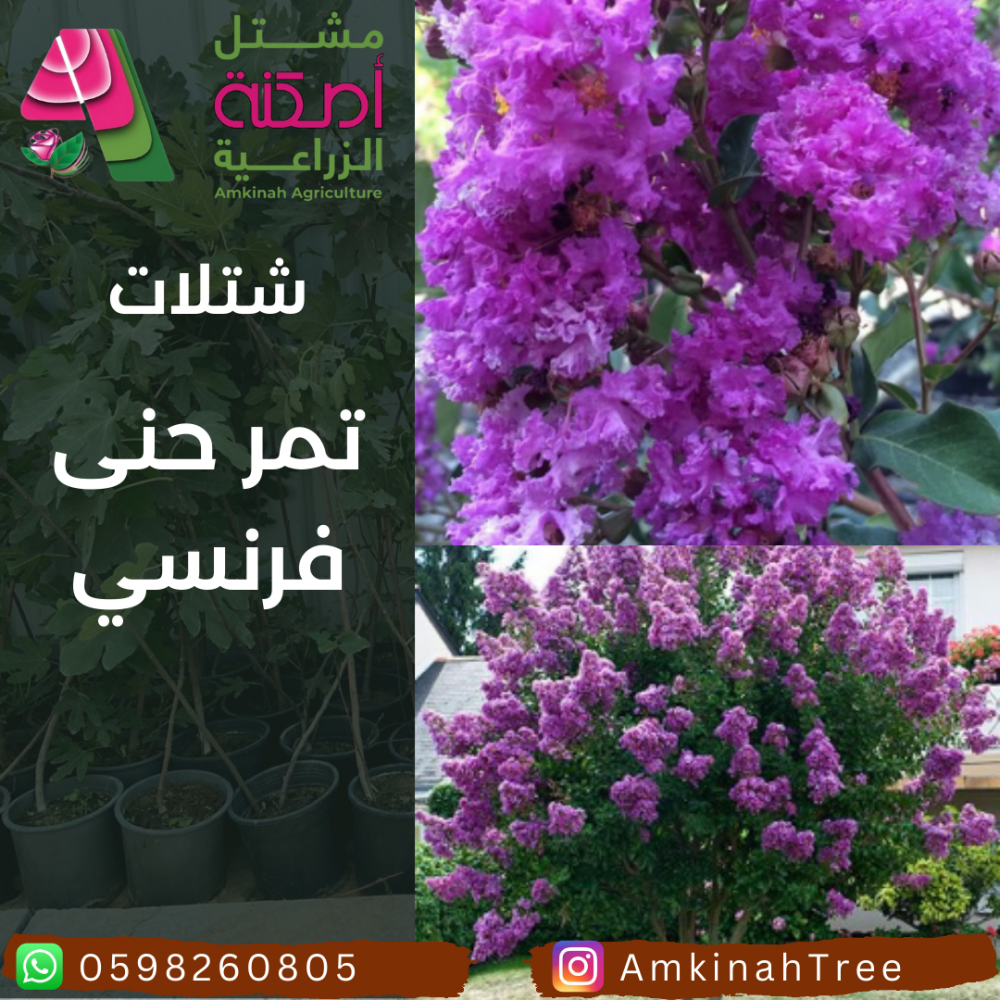
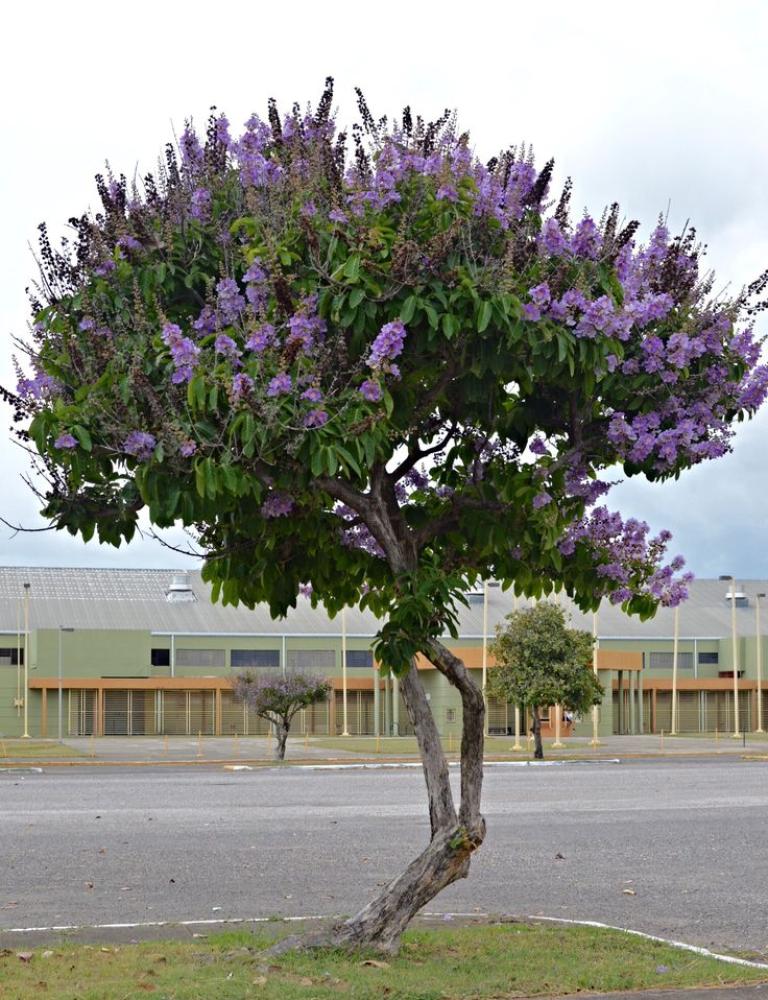
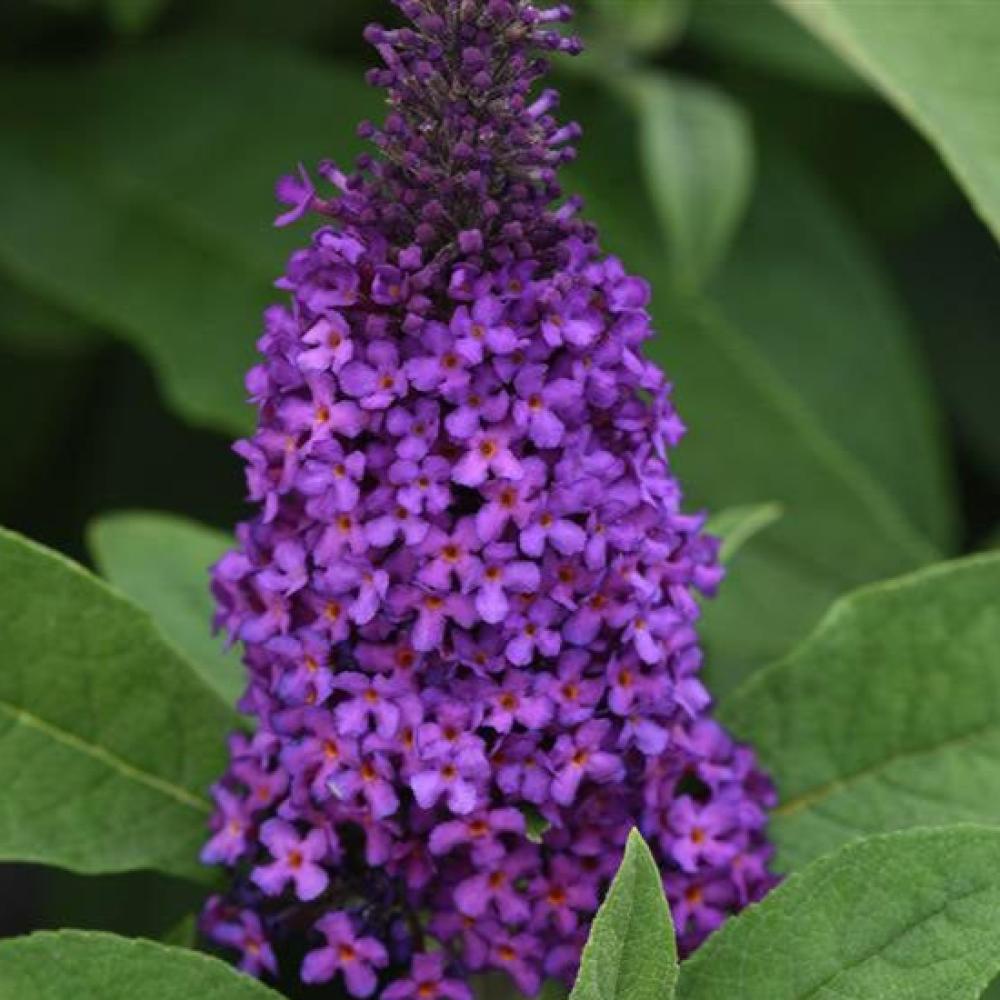
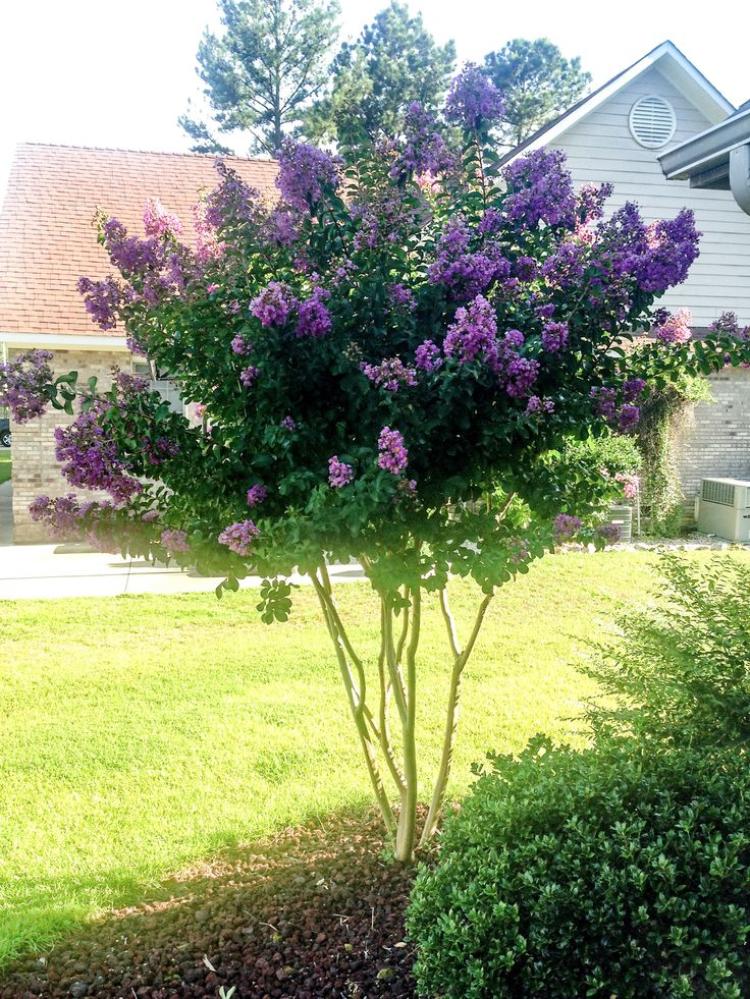
Tamr Hana – Lagerstroemia indica – Lagerstroemia indica is a medium-sized flowering tree, deciduous, and considered one of the beautiful ornamental trees with the attractiveness of its charming flowers. It is usually a multi-stemmed tree, open, widely spreading.. flat.. round, used as a solitary tree and in landscape areas, and it is one of the trees that bees love and gather on its flowers.
Characteristics of Tamr Hana – Lagerstroemia – Lagerstroemia indica
Scientific name: Lagerstroemia indica
Native habitat: Indian subcontinent (hence the name Indica), as well as in Southeast Asia, China, Korea, and Japan.
Nickname: Coffee Rose
Family: Lythraceae
Genus: includes many types such as: Australian Tamr Hana, White-flowered Tamr Hana, Oval-leaved Tamr Hana, Evergreen Tamr Hana
Height: 6 meters
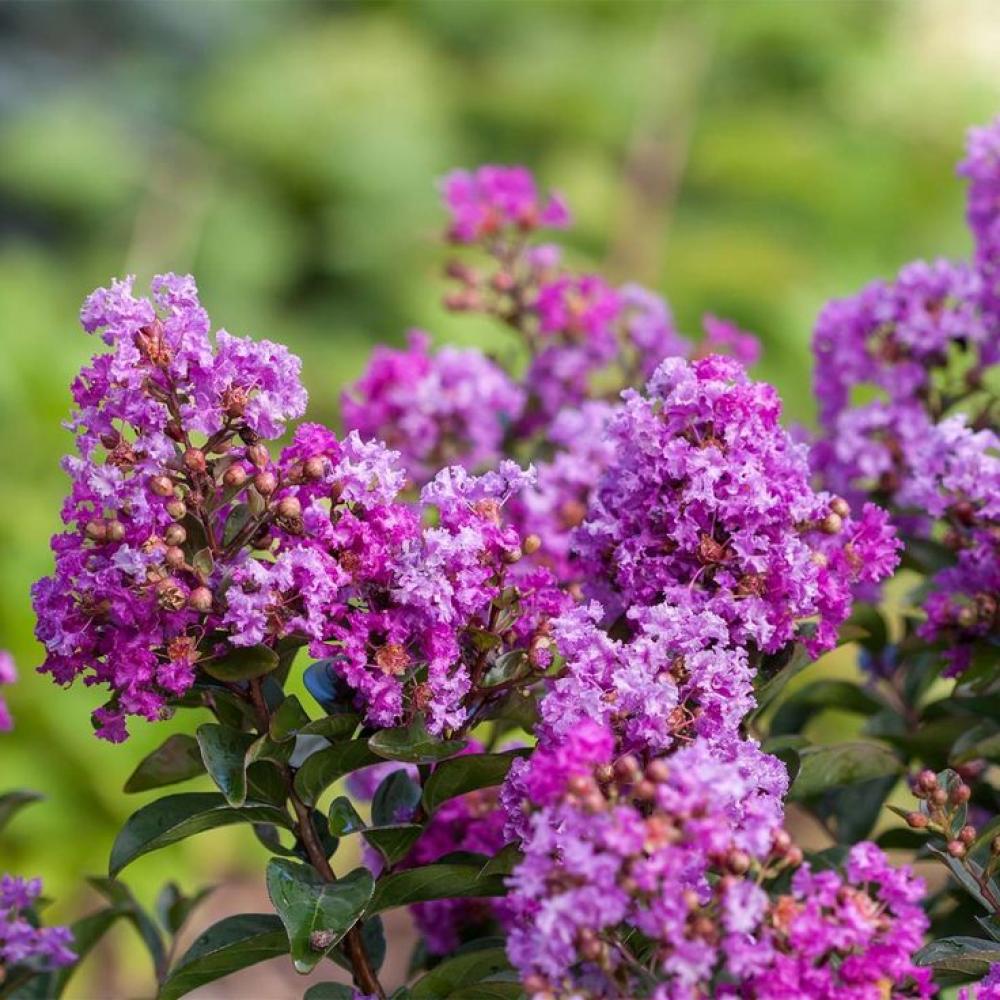
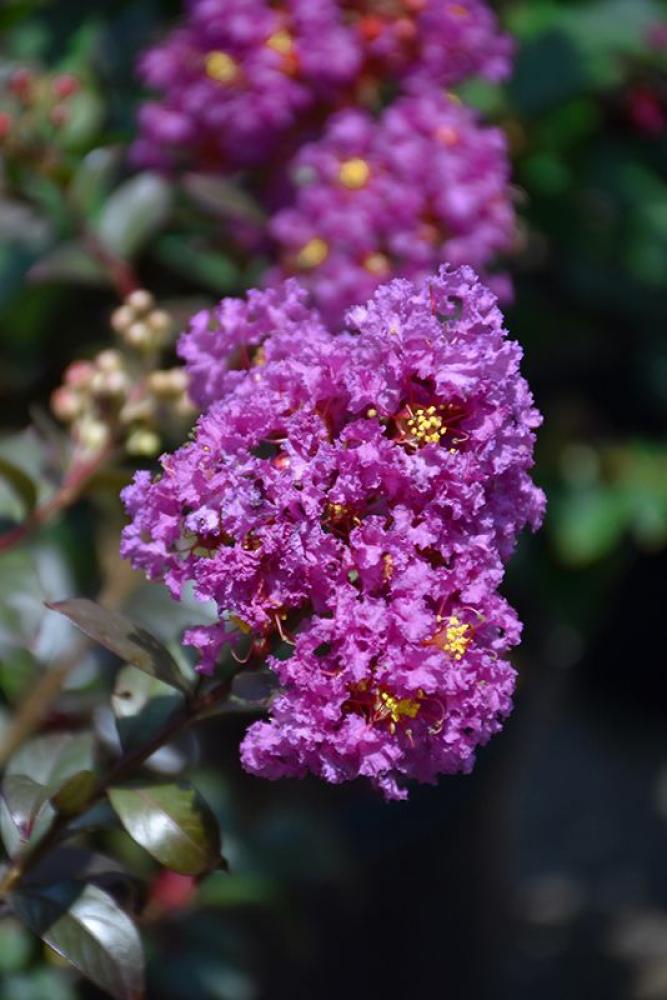
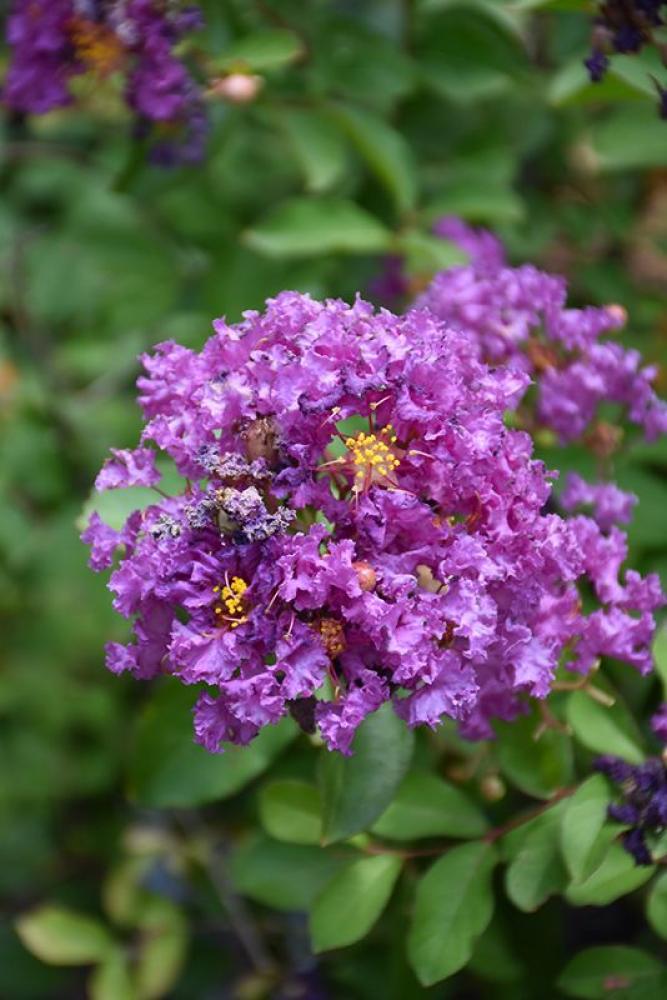
Flowers/Fruits: White, pink, violet, purple, or crimson with crumpled petals, in clusters reaching up to 9 centimeters in height
The Tamr Hana tree produces oval-shaped brown capsule fruits, each measuring approximately 9 mm to 19 mm in length.
Proposed use: Widely used in street and garden decoration.
Its leaves are disinfectant for microbes and parasites, and an aromatic oil is extracted from the flowers.
Leaves: Small, with smooth edges, round or oval-shaped, dark green, changing to yellow, orange, and red in autumn.
Optimal conditions for growing Tamr Hana – Lagerstroemia:
Soil: The Tamr Hana tree grows best in sandy or clay soil, alkaline, which should be fertile and well-drained.
Irrigation: The trees in their first years need about 20-25 liters of water twice a week; during the second year, 40 liters once a week; some may need 60 liters once a month in the third year, while others may not need watering at all.
Trees with flowers and fruit trees in general need some watering even after establishment.
Planting locations: It is planted in recreational play areas, public parks, and as street trees, either singly or in groups.
Climate conditions: Tolerant of drought, heat, and also frost.
Ideal planting period is in October and November in a moderate or dry climate, or from March to May before the first summer heat.
Exposure: Tamr Hana needs direct sunlight and can be planted in semi-shaded areas in hot regions.
The best flowering occurs in plants that receive more than 6 hours of direct sunlight.
Care for Lagerstroemia:
Propagation: It propagates by seeds, planted from September to November each year, and also by cuttings, which is done in late February and March.
Fertilize once a year with organic fertilizer, and during the summer months — its flowering season — fertilize with NPK balanced fertilizer.
Prune branches from the previous year to promote the next flowering, then remove crossing branches, ensuring to leave the outer branches and eliminate those facing the interior of the shrub.
Read more
Purchased
27 times
Description
Tamr Hana – Lagerstroemia indica – Lagerstroemia indica is a medium-sized flowering tree, deciduous, and considered one of the beautiful ornamental trees with the attractiveness of its charming flowers. It is usually a multi-stemmed tree, open, widely spreading.. flat.. round, used as a solitary tree and in landscape areas, and it is one of the trees that bees love and gather on its flowers.
Characteristics of Tamr Hana – Lagerstroemia – Lagerstroemia indica
Scientific name: Lagerstroemia indica
Native habitat: Indian subcontinent (hence the name Indica), as well as in Southeast Asia, China, Korea, and Japan.
Nickname: Coffee Rose
Family: Lythraceae
Genus: includes many types such as: Australian Tamr Hana, White-flowered Tamr Hana, Oval-leaved Tamr Hana, Evergreen Tamr Hana
Height: 6 meters
Flowers/Fruits: White, pink, violet, purple, or crimson with crumpled petals, in clusters reaching up to 9 centimeters in height
The Tamr Hana tree produces oval-shaped brown capsule fruits, each measuring approximately 9 mm to 19 mm in length.
Proposed use: Widely used in street and garden decoration.
Its leaves are disinfectant for microbes and parasites, and an aromatic oil is extracted from the flowers.
Leaves: Small, with smooth edges, round or oval-shaped, dark green, changing to yellow, orange, and red in autumn.
Optimal conditions for growing Tamr Hana – Lagerstroemia:
Soil: The Tamr Hana tree grows best in sandy or clay soil, alkaline, which should be fertile and well-drained.
Irrigation: The trees in their first years need about 20-25 liters of water twice a week; during the second year, 40 liters once a week; some may need 60 liters once a month in the third year, while others may not need watering at all.
Trees with flowers and fruit trees in general need some watering even after establishment.
Planting locations: It is planted in recreational play areas, public parks, and as street trees, either singly or in groups.
Climate conditions: Tolerant of drought, heat, and also frost.
Ideal planting period is in October and November in a moderate or dry climate, or from March to May before the first summer heat.
Exposure: Tamr Hana needs direct sunlight and can be planted in semi-shaded areas in hot regions.
The best flowering occurs in plants that receive more than 6 hours of direct sunlight.
Care for Lagerstroemia:
Propagation: It propagates by seeds, planted from September to November each year, and also by cuttings, which is done in late February and March.
Fertilize once a year with organic fertilizer, and during the summer months — its flowering season — fertilize with NPK balanced fertilizer.
Prune branches from the previous year to promote the next flowering, then remove crossing branches, ensuring to leave the outer branches and eliminate those facing the interior of the shrub.
Read more