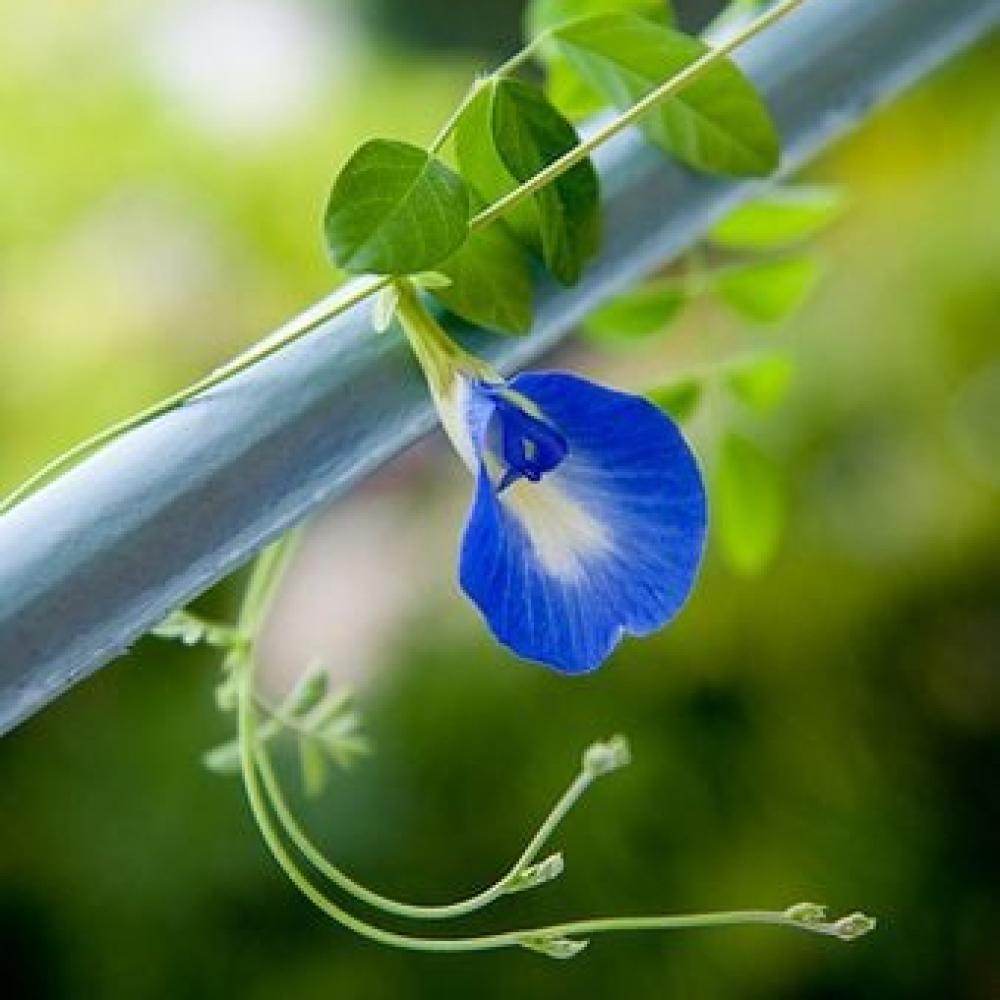
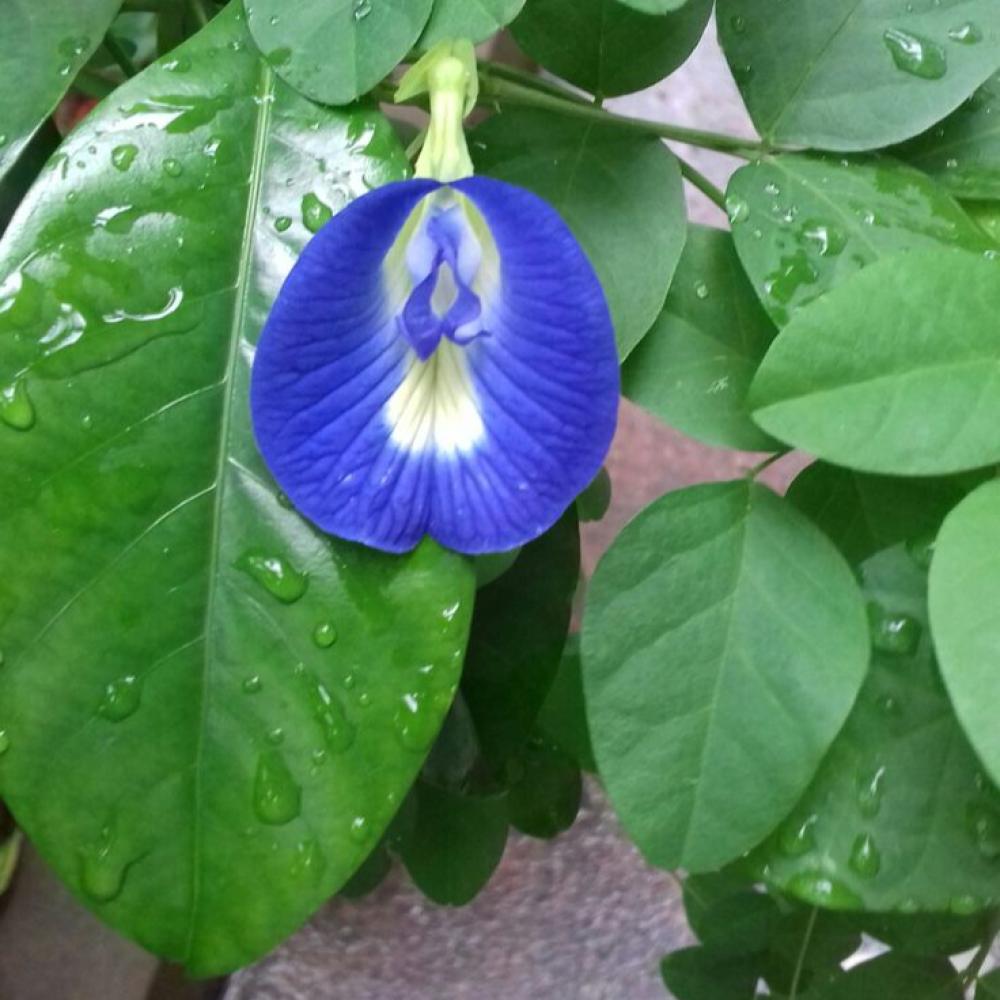
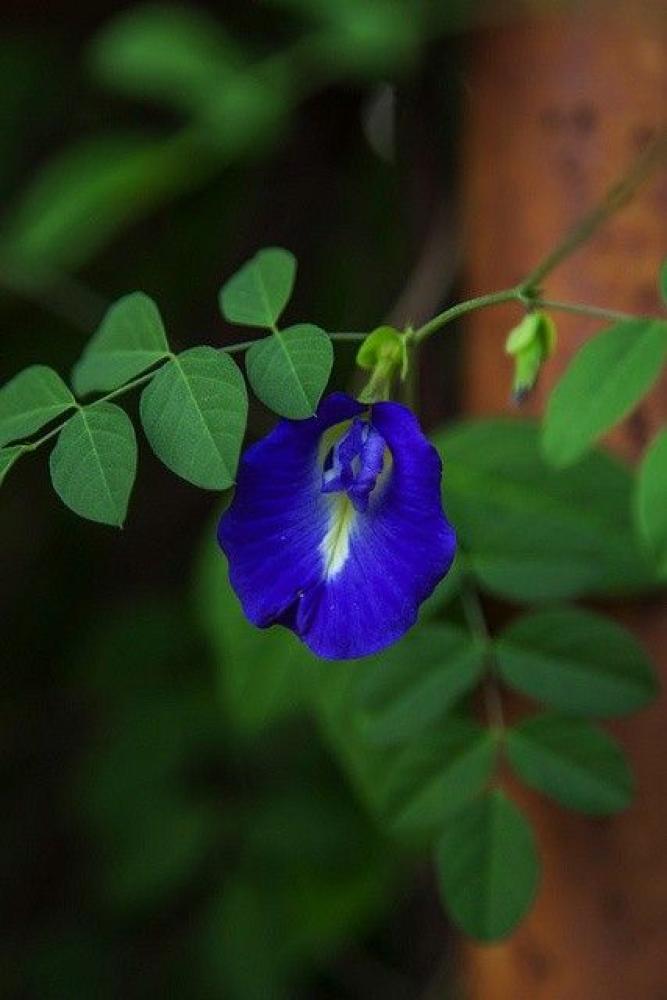
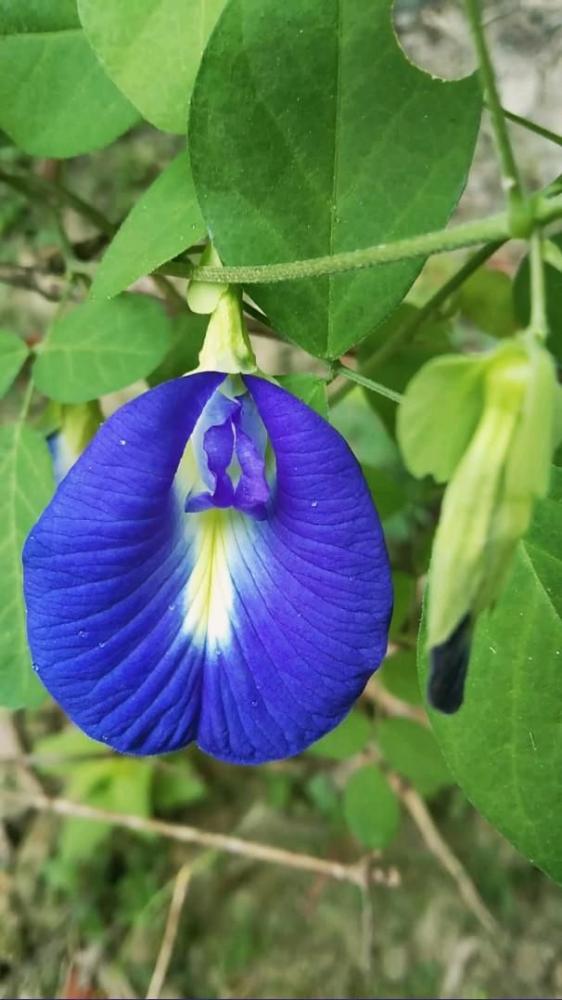
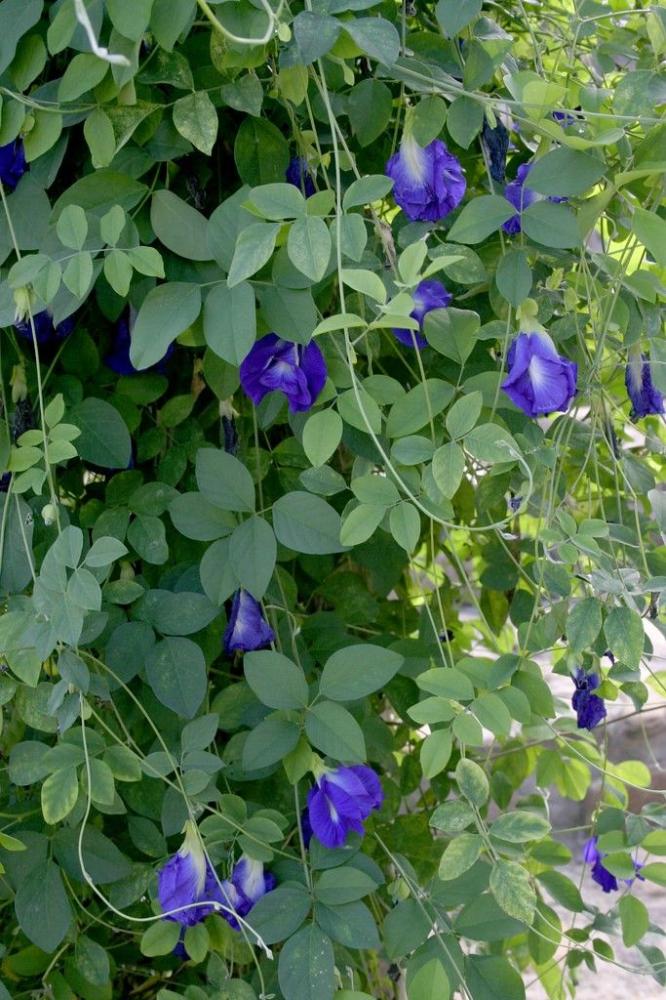
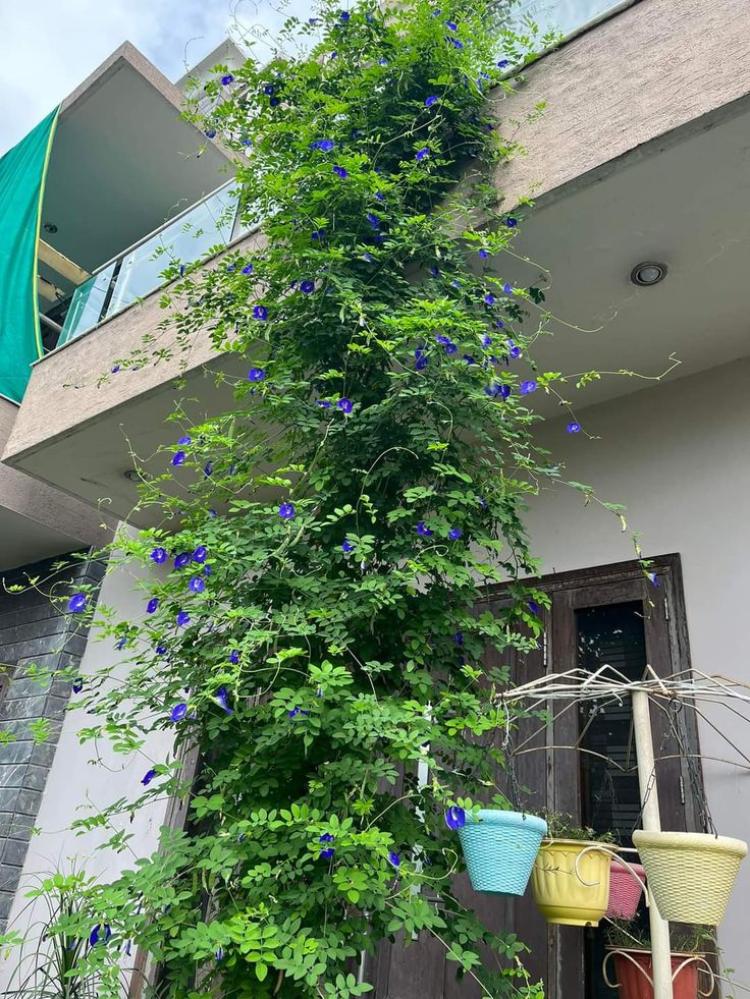
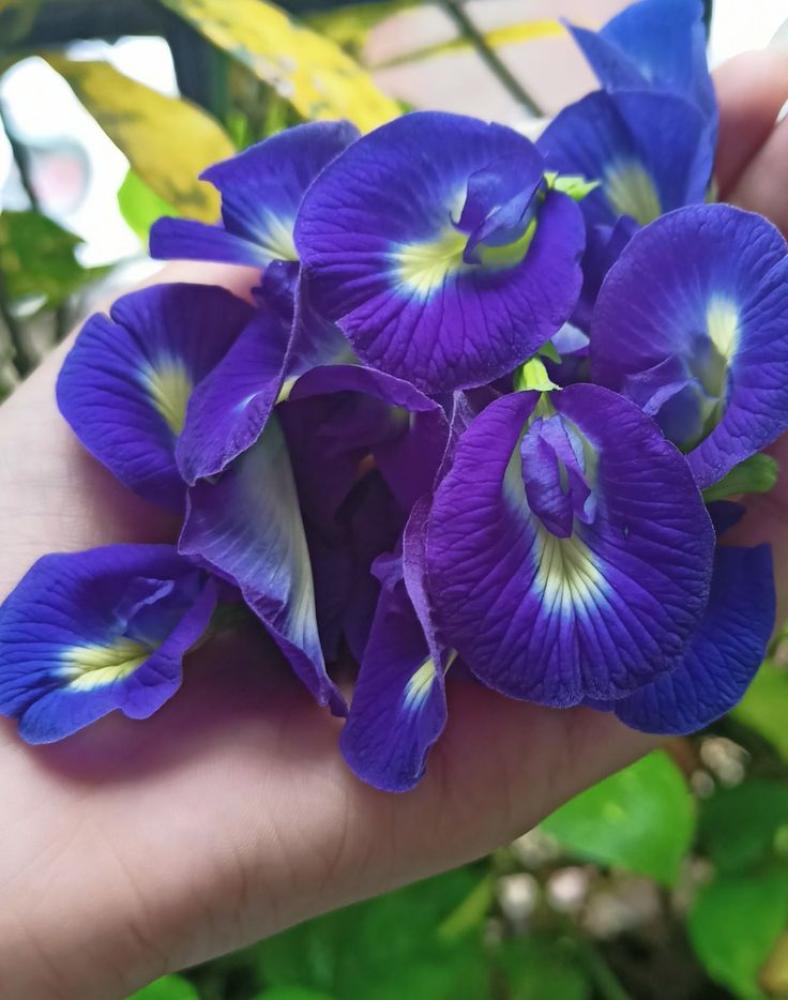
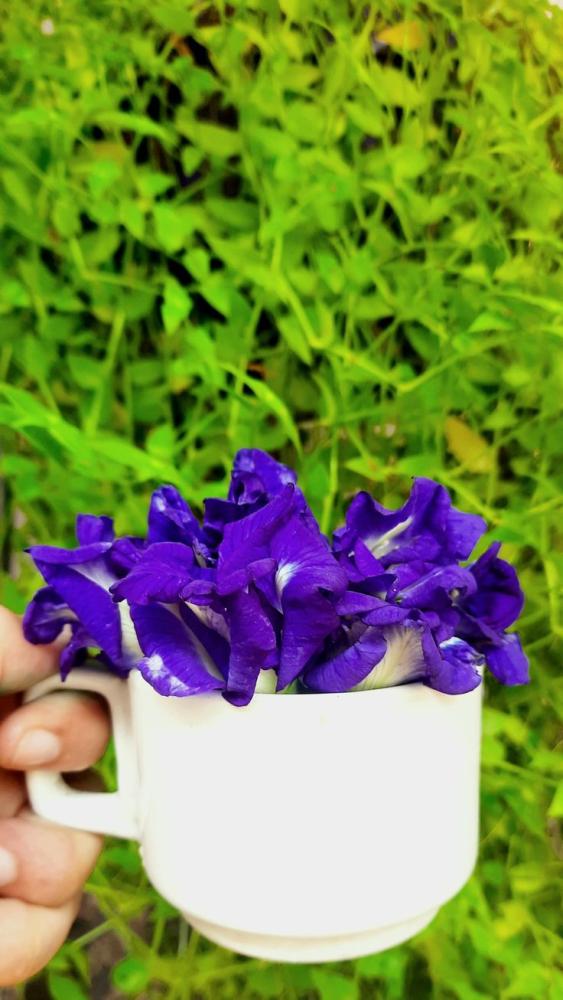
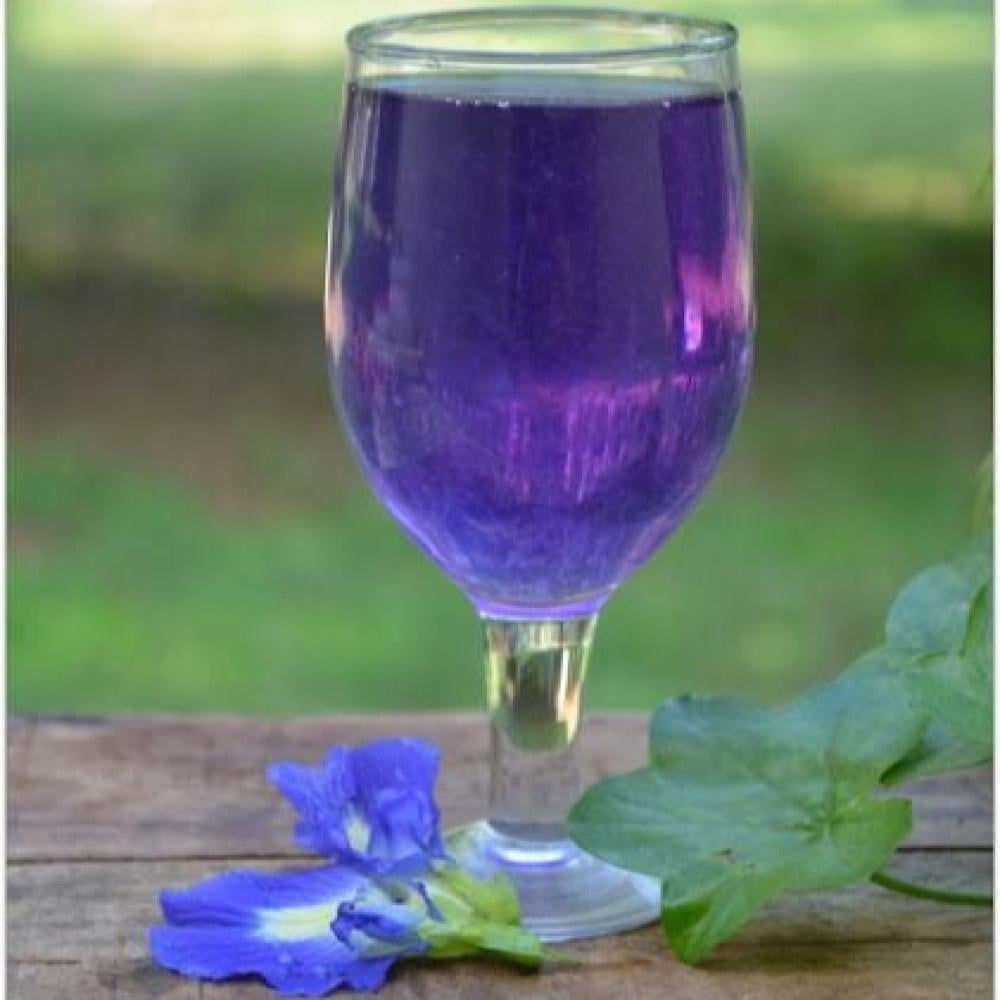
Butterfly Pea Flower Tea, one of the members of the tea family, but it has a beautiful blue color, and it is extracted from the flowers of the blue tea tree. This type is distinguished from other teas by being caffeine-free, in addition to its high health benefits. Blue tea is rich in antioxidants, to the extent that nutrition experts now recommend it as a healthy hot beverage free of caffeine. It has been used in the food traditions of mother countries in Asia as a healthy medical remedy, as well as being drunk as a hot tea with a special, beloved flavor. The shape of the blue tea flowers, butterfly pea flower, has the advantage of analyzing harmful chemicals that have spread widely in our current foods under the name of healthy colorings! The blue tea tree, butterfly pea climbing flower tree, is a perennial climbing plant with blue, outward-facing leaves. Previously, people used it for decoration in gardens because it extends as a beautiful climbing plant with its color, covering large parts of the garden and adding enchanting beauty. The soil it needs is very moist soil with moderate heat, so it is abundant in semi-tropical areas, but it can also be cultivated in dry and moderate regions. It is resistant to harsh climatic conditions, capable of surviving even without zero degrees, down to [-3]. Seeds of butterfly pea flower blue tea, the demand for butterfly pea flower seeds that produce blue tea has increased recently, gaining great fame among seeds and its reputation in our country. The demand for them has clearly increased because they can be cultivated in areas with relatively high temperatures. On the other hand, these seeds should be planted at the end of summer, and their cultivation period extends from autumn until the end of winter. It is important that they are buried in the soil before the beginning of spring to start growing and expanding during spring, with their peak beauty in summer. It is recommended to plant them in potting soil or peat, as this type of soil helps in seed germination at about 80%. Additionally, the butterfly pea tree can also be propagated by cuttings. You might be interested: Beginner’s Guide to Types of Tea. Changing Colors of Blue Tea The most distinctive feature of blue tea is that when it is brewed from herbal teas, honey, lemon, lemon herb, or saffron, it varies between color and purple shades in several beautiful, distinctive degrees. For example: blue tea with lemon turns into a very dark purple and impressive color. Blue tea with saffron turns green. Butterfly pea flower with lemon and saffron turns dark yellow. Some herbs and their color reactions with blue tea generally change the color of blue tea depending on the acidity levels mixed with it, which is why cocktail mixers love it because it allows them to play with amazing color gradients, offering customers drinks that delight and please all tastes. Benefits of butterfly pea flower blue tea The benefits of butterfly pea flower tea are many, beneficial for the body in general, whether for health or beauty, including: - Blue tea is rich in antioxidants. - Blue tea helps reduce the likelihood of cancer by eliminating free radicals, which are among the causes of cancer. Therefore, drinking a cup of tea daily will be beneficial and a safety valve for you. - Blue tea clearly contributes to delaying the appearance of aging signs. - Blue tea has a wonderful role in maintaining a strong memory. Nutrition experts see that blue tea is very beneficial for maintaining skin freshness, beauty, and vitality. - Drinking blue tea activates blood circulation, making hair grow faster. It also stimulates the body to produce collagen, which moisturizes the scalp and prevents dandruff. - Butterfly pea flower tea is a great antidepressant, as it reduces tension and helps relaxation. - Drinking a cup of blue tea daily helps lower blood sugar levels, which will greatly alarm diabetics. One of the most distinguished benefits of blue tea is that it is wonderful and unique for weight loss and slimming. You might be interested: 11 Amazing Benefits of Basil Tea. Precautions for butterfly pea flower blue tea Until today, experiments say that blue tea is completely safe, but we must ask: what are the harms of blue tea? Therefore, there is a general rule in herbs that you should always remember: - Excessive use of any type of herb can have opposite benefits and may harm, so moderation is necessary. - For chronic patients, in all types of herbs, they should consult their doctor first to avoid conflicts with their condition, which could cause harm or complications. - For pregnant women, until today, research has not proven benefits or even harms for them, but it is preferable for pregnant women to avoid drinking blue tea during pregnancy. How to prepare blue tea Making a cup of blue tea is as easy as preparing any other tea, and its preparation can be summarized either in the usual way without additives or with additives. The usual way: Simply add hot water to the blue tea flowers, then leave it to steep for 10 to 15 minutes. You can add ice cubes if you want it as cold tea. The second method with additives: By additives, we mean other herbs, lemon, honey, or cinnamon, but you should consider the wonderful color gradations that will amaze you depending on each addition. In conclusion: Although blue tea, butterfly pea flower, is new to the ancient family of tea, which has been famous for thousands of years, it has quickly established its place among teas. People have accepted it widely, especially in this remarkable return to gaining strength and health from the spirit of the earth, and even for relief from pressures.
Read more
Purchased
40 times
Description
Butterfly Pea Flower Tea, one of the members of the tea family, but it has a beautiful blue color, and it is extracted from the flowers of the blue tea tree. This type is distinguished from other teas by being caffeine-free, in addition to its high health benefits. Blue tea is rich in antioxidants, to the extent that nutrition experts now recommend it as a healthy hot beverage free of caffeine. It has been used in the food traditions of mother countries in Asia as a healthy medical remedy, as well as being drunk as a hot tea with a special, beloved flavor. The shape of the blue tea flowers, butterfly pea flower, has the advantage of analyzing harmful chemicals that have spread widely in our current foods under the name of healthy colorings! The blue tea tree, butterfly pea climbing flower tree, is a perennial climbing plant with blue, outward-facing leaves. Previously, people used it for decoration in gardens because it extends as a beautiful climbing plant with its color, covering large parts of the garden and adding enchanting beauty. The soil it needs is very moist soil with moderate heat, so it is abundant in semi-tropical areas, but it can also be cultivated in dry and moderate regions. It is resistant to harsh climatic conditions, capable of surviving even without zero degrees, down to [-3]. Seeds of butterfly pea flower blue tea, the demand for butterfly pea flower seeds that produce blue tea has increased recently, gaining great fame among seeds and its reputation in our country. The demand for them has clearly increased because they can be cultivated in areas with relatively high temperatures. On the other hand, these seeds should be planted at the end of summer, and their cultivation period extends from autumn until the end of winter. It is important that they are buried in the soil before the beginning of spring to start growing and expanding during spring, with their peak beauty in summer. It is recommended to plant them in potting soil or peat, as this type of soil helps in seed germination at about 80%. Additionally, the butterfly pea tree can also be propagated by cuttings. You might be interested: Beginner’s Guide to Types of Tea. Changing Colors of Blue Tea The most distinctive feature of blue tea is that when it is brewed from herbal teas, honey, lemon, lemon herb, or saffron, it varies between color and purple shades in several beautiful, distinctive degrees. For example: blue tea with lemon turns into a very dark purple and impressive color. Blue tea with saffron turns green. Butterfly pea flower with lemon and saffron turns dark yellow. Some herbs and their color reactions with blue tea generally change the color of blue tea depending on the acidity levels mixed with it, which is why cocktail mixers love it because it allows them to play with amazing color gradients, offering customers drinks that delight and please all tastes. Benefits of butterfly pea flower blue tea The benefits of butterfly pea flower tea are many, beneficial for the body in general, whether for health or beauty, including: - Blue tea is rich in antioxidants. - Blue tea helps reduce the likelihood of cancer by eliminating free radicals, which are among the causes of cancer. Therefore, drinking a cup of tea daily will be beneficial and a safety valve for you. - Blue tea clearly contributes to delaying the appearance of aging signs. - Blue tea has a wonderful role in maintaining a strong memory. Nutrition experts see that blue tea is very beneficial for maintaining skin freshness, beauty, and vitality. - Drinking blue tea activates blood circulation, making hair grow faster. It also stimulates the body to produce collagen, which moisturizes the scalp and prevents dandruff. - Butterfly pea flower tea is a great antidepressant, as it reduces tension and helps relaxation. - Drinking a cup of blue tea daily helps lower blood sugar levels, which will greatly alarm diabetics. One of the most distinguished benefits of blue tea is that it is wonderful and unique for weight loss and slimming. You might be interested: 11 Amazing Benefits of Basil Tea. Precautions for butterfly pea flower blue tea Until today, experiments say that blue tea is completely safe, but we must ask: what are the harms of blue tea? Therefore, there is a general rule in herbs that you should always remember: - Excessive use of any type of herb can have opposite benefits and may harm, so moderation is necessary. - For chronic patients, in all types of herbs, they should consult their doctor first to avoid conflicts with their condition, which could cause harm or complications. - For pregnant women, until today, research has not proven benefits or even harms for them, but it is preferable for pregnant women to avoid drinking blue tea during pregnancy. How to prepare blue tea Making a cup of blue tea is as easy as preparing any other tea, and its preparation can be summarized either in the usual way without additives or with additives. The usual way: Simply add hot water to the blue tea flowers, then leave it to steep for 10 to 15 minutes. You can add ice cubes if you want it as cold tea. The second method with additives: By additives, we mean other herbs, lemon, honey, or cinnamon, but you should consider the wonderful color gradations that will amaze you depending on each addition. In conclusion: Although blue tea, butterfly pea flower, is new to the ancient family of tea, which has been famous for thousands of years, it has quickly established its place among teas. People have accepted it widely, especially in this remarkable return to gaining strength and health from the spirit of the earth, and even for relief from pressures.
Read more