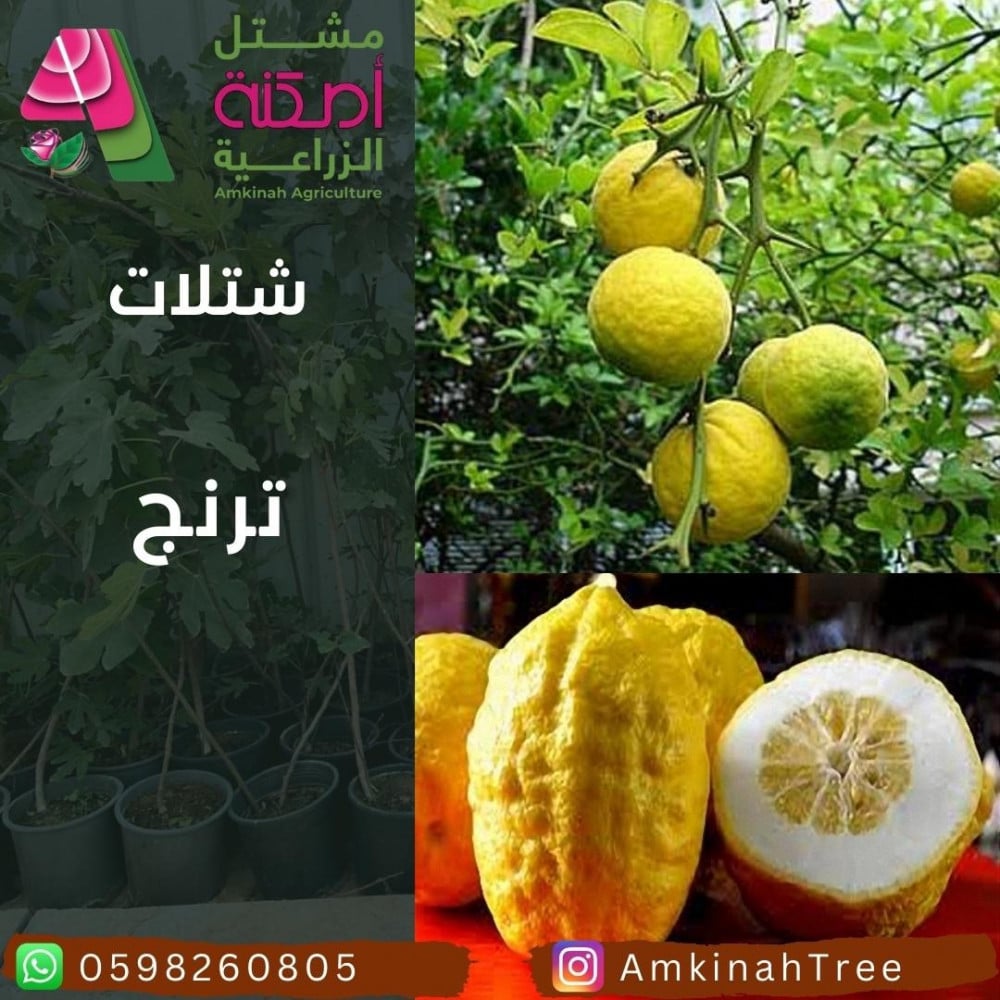
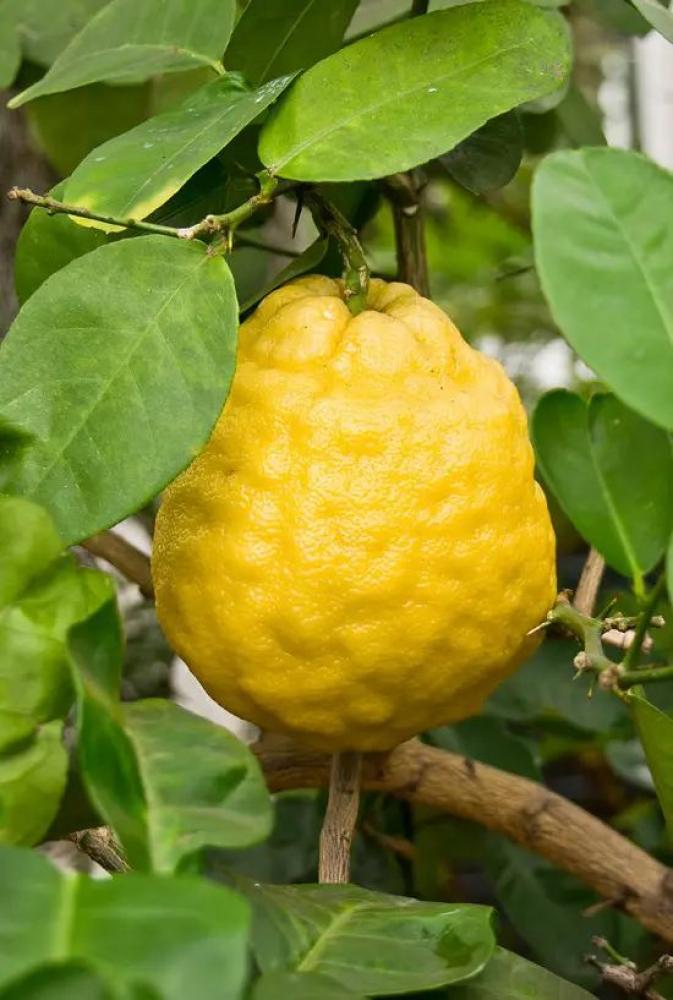
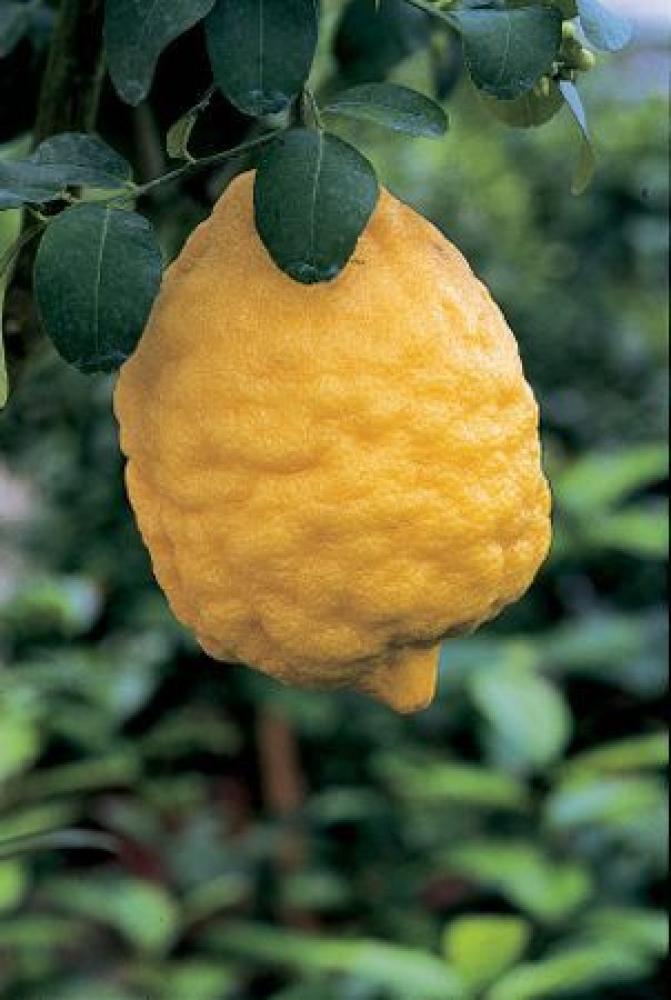
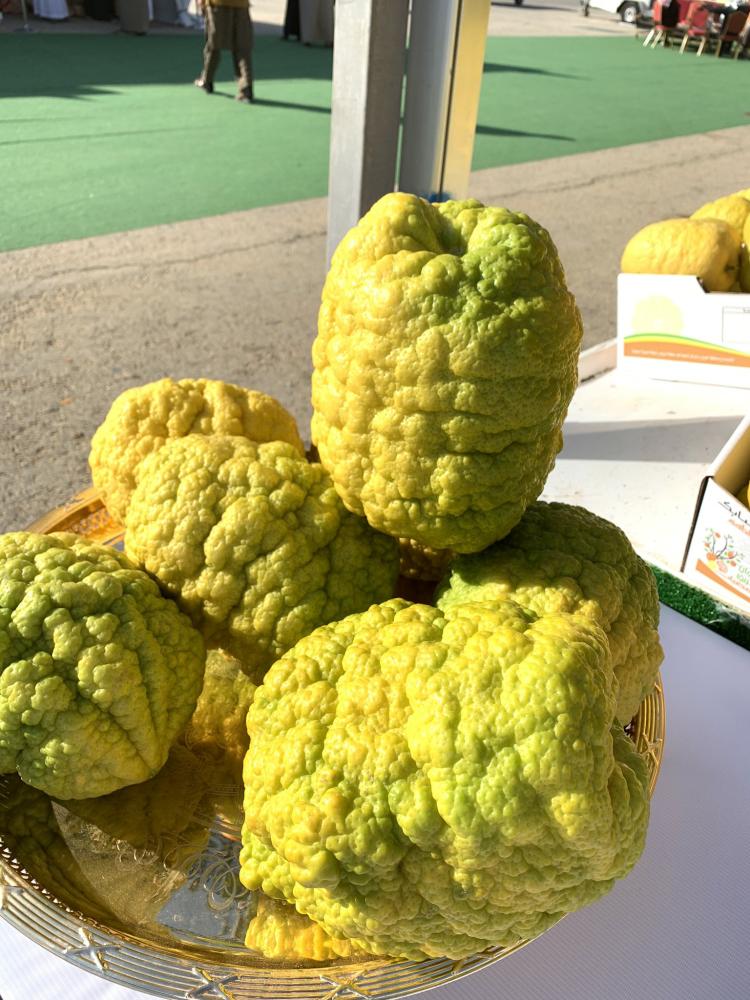
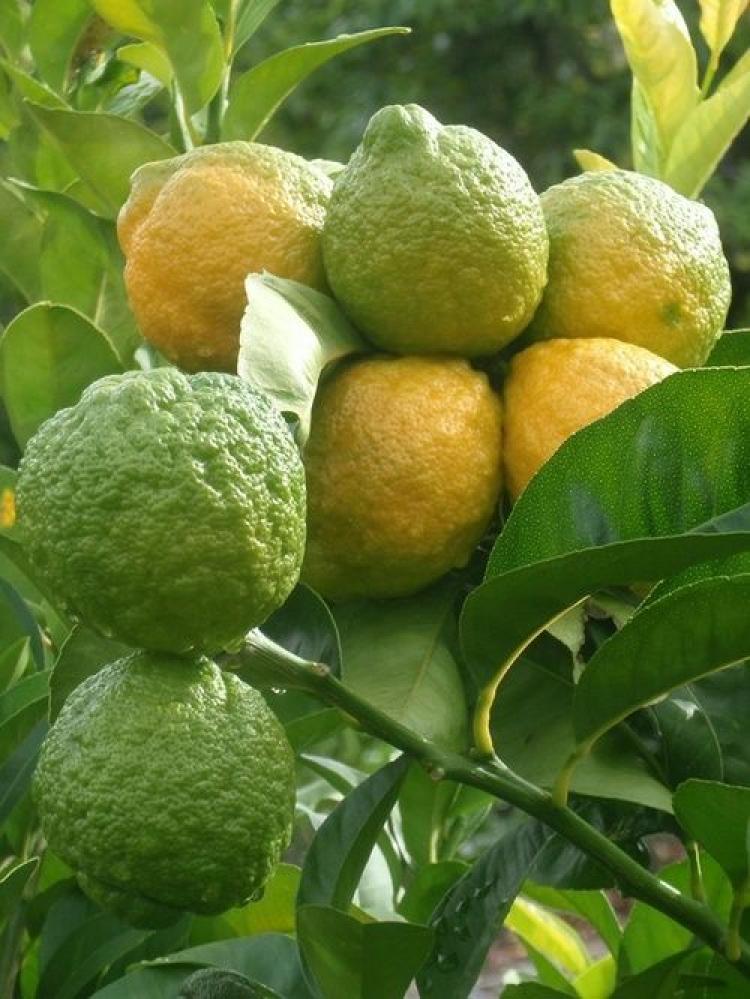
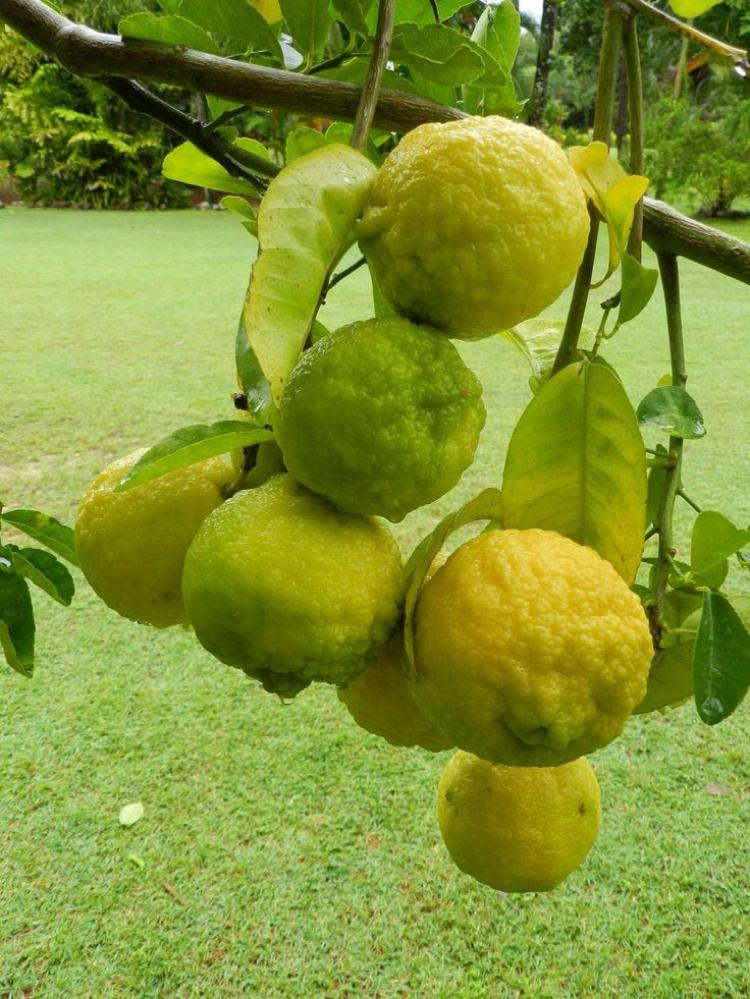
The tangor tree, this variety, may be a hybrid and is usually known by its seeds. It is often found in farms in the Riyadh, Eastern, and Southern regions. It does not tolerate frost, and dry winds and prolonged cold weather can destroy it. It has fruits of an unusually large size, exceeding 20 cm, which causes the branches to droop due to the size of the fruit. The tree grows quickly to reach a height of 3 meters, produces fruits early, and its shape is triangular with large leaves. Support branches can be placed to prevent breakage due to the weight of the fruits. It requires well-drained, sandy, fertilized soil with regular watering until it is established in the ground. Fertilization should be done at the beginning of spring. The tangor tree produces flowers and fruits at the same time, similar to tropical plants. The fruits are not of high commercial value, but the peel is thick and can be made into jam. Its peel contains a small percentage of volatile oils, but it has a fragrant aroma preserved in the glandular layers. Pruning should be limited because complete pruning affects the plant, and most branches are short-lived. Branches die due to long drought, and the tree is susceptible to insect attacks like other citrus trees.
Family name: Rutaceae
Habitat: Tropical, Mediterranean, Subtropical
Humidity: Semi-humid, semi-arid
Propagation: Grafting, grafting cuttings
Care: Moderate
Environmental conditions:
Urban environment: Sensitive
Drought: Sensitive
Flooded environment: Sensitive
Irrigation: Moderate
Salinity level: Low < 1000 parts per million
Frost tolerance: +3°C
Growth of the tangor tree: Relatively fast
Height: 3 to 5 meters
Spread: 5 to 7 meters
Leaf nature: Evergreen tree
Flower color: White
Size: 2 cm
Flowering period: From early September to the end of October
Fragrance: Fruity
Fruit of the tangor tree:
Type: Berry
Size: 20 cm
Edible
Read more
Purchased
18 times
Description
The tangor tree, this variety, may be a hybrid and is usually known by its seeds. It is often found in farms in the Riyadh, Eastern, and Southern regions. It does not tolerate frost, and dry winds and prolonged cold weather can destroy it. It has fruits of an unusually large size, exceeding 20 cm, which causes the branches to droop due to the size of the fruit. The tree grows quickly to reach a height of 3 meters, produces fruits early, and its shape is triangular with large leaves. Support branches can be placed to prevent breakage due to the weight of the fruits. It requires well-drained, sandy, fertilized soil with regular watering until it is established in the ground. Fertilization should be done at the beginning of spring. The tangor tree produces flowers and fruits at the same time, similar to tropical plants. The fruits are not of high commercial value, but the peel is thick and can be made into jam. Its peel contains a small percentage of volatile oils, but it has a fragrant aroma preserved in the glandular layers. Pruning should be limited because complete pruning affects the plant, and most branches are short-lived. Branches die due to long drought, and the tree is susceptible to insect attacks like other citrus trees.
Family name: Rutaceae
Habitat: Tropical, Mediterranean, Subtropical
Humidity: Semi-humid, semi-arid
Propagation: Grafting, grafting cuttings
Care: Moderate
Environmental conditions:
Urban environment: Sensitive
Drought: Sensitive
Flooded environment: Sensitive
Irrigation: Moderate
Salinity level: Low < 1000 parts per million
Frost tolerance: +3°C
Growth of the tangor tree: Relatively fast
Height: 3 to 5 meters
Spread: 5 to 7 meters
Leaf nature: Evergreen tree
Flower color: White
Size: 2 cm
Flowering period: From early September to the end of October
Fragrance: Fruity
Fruit of the tangor tree:
Type: Berry
Size: 20 cm
Edible
Read more